
Skip to content
Abu Dhabi · Webflow Development

A content website people can explore.

Softglimmer designs and develops Webflow websites for Abu Dhabi businesses through remote delivery from Ranchi. We bring service information, visual design, responsive pages and content editing into one project. For a resource-led website, the work also connects articles, guides and relevant external destinations in a useful browsing journey. We assess the content and publishing team before choosing the collections, functions and handover the site needs.

Explore the service
A coherent marketing website with clear resource choices and practical editing
  1. 01

    Plan the website

    Connect the offer, audience and useful content.

  2. 02

    Design and build

    Create responsive pages and selected publishing controls.

  3. 03

    Equip the editor

    Demonstrate real entries, enquiries and ongoing care.

An example journey, shaped around your requirements.

Commission the website and its publishing system together.

Start with the business offer, intended readers and information worth maintaining. A focused service website may need only a small set of editable pages. A larger content site may combine service detail, articles, downloads and links to useful external destinations. We review the material and ordinary editor tasks before deciding the navigation, templates and content structure. The website should explain the business as clearly as it presents its resources.

The project can include discovery, page architecture, visual design, Webflow development, selected CMS collections, forms and initial content work. A new build and a replacement site require different preparation. For a rebuild, useful existing addresses, media and working functions receive a retain-or-change plan. We identify which writing, image preparation, content entry and migration are included, with your team approving business facts and publication rights.

Webflow is assessed against the required design, editing, hosting and connected functions. A plan or account arrangement needs checking against the real project before it is selected. The proposal names the templates, content structure, functions, launch work and continuing responsibilities. It also explains the website’s boundaries, so a public resource link is not confused with an included registration system or another business application.
Let the content model serve the reader and editor.

Choose the structure from representative material instead of making every item fit the same card.

01

Website architecture

Connect company and service pages with the subjects readers want to explore. Choose which resources deserve a page and which are useful supporting destinations. Navigation and links should let a direct visitor understand the business without starting at the homepage.

02

Resource purpose and action

An article, downloadable guide and external event page do different jobs. Agree the entry description and action for each type. Make the next step recognisable before the visitor opens it, with the destination and public status approved by the content owner.

03

Editor controls and content work

Select the fields and page patterns staff will maintain. Webflow’s documentation describes different field types for text, links and files; we choose the actual structure around your publishing task. Review optional material and the treatment of an incomplete entry.

04

Ownership and continuing care

Name the people approving content, publishing changes and controlling the site accounts. Agree form receipt, domain and technical care responsibilities. Later content types and integrations can need further work beyond an ordinary update.

A hypothetical working example

Two resources need different next steps.

Hypothetical example: a resource listing contains an article on the website and a link to an externally managed event page. Identical “Read more” labels make both entries look like the same kind of destination. A reader may expect another article when the useful next step is actually to inspect an external registration page. The website review gives each entry an approved purpose, description and suitable action. The editor adds a representative article and external resource, then checks the list and the resulting destinations. The business still owns whether that event and link are appropriate to publish. This illustrates one content-model decision in the wider Webflow project; the external organiser’s registration service is not supplied merely by linking to it.

Different resource purposes, understandable descriptions and actions
  1. 01

    Identify the resource

    Describe the article or external destination accurately.

  2. 02

    Choose a useful action

    Tell the reader what opening the entry will do.

  3. 03

    Publish and inspect

    Review the entry and its actual destination together.

Illustrative publishing review. Your content owner approves the resources, descriptions and destinations.

Receive a coherent website and a manageable editor experience.

The agreed scope selects the content, design, build and transition work your team needs.

01

Website and content plan

Audience journeys, service pages and resource types, with approved material and preparation responsibilities identified.

02

Responsive visual design

Branded page patterns reviewed with actual service copy, long resource titles and representative imagery.

03

Webflow website build

The selected templates, navigation, CMS structure and included functions implemented around the approved design.

04

Content and migration work

An agreed extent of entry, image preparation and retained-route handling, including useful resources and destinations.

05

Visitor and editor review

Important journeys, enquiry handling, resource actions and routine publishing tasks checked with the nominated owners.

06

Account and operating handover

Editing guidance, release responsibilities, account access and continuing care recorded for the receiving team.

Bring varied content, not only the preferred homepage.

Share the current site, approved brand files, important services and a small representative resource set. Include an ordinary article, a downloadable guide and an external destination if those genuinely belong in the project. Explain the purpose of each and who can approve it. Real material exposes the fields, labels and page patterns the editor needs more clearly than identical placeholder cards.

W3C’s link-purpose guidance supports text that helps a reader understand a destination. For this website, review the action with the surrounding title and description, then open the actual link. Ask the nominated editor to create an entry, correct its description and handle missing material. These tasks sit alongside the ordinary service pages, enquiries, responsive layout and release checks; a resource list is one part of the complete website.

Content condition, page patterns, custom design, CMS structure, migration and connections shape the estimate. We agree review times across Abu Dhabi and Ranchi, with one contact gathering your team’s written feedback. The agreement identifies the language editions you can supply and maintain, account ownership and ongoing care. Additional languages and functions are scoped from an actual need rather than assumed from the service area.

Build with the people who will publish the next entry.

A representative content journey guides the work from discovery through the owner handover.

  1. 01

    Discover and choose

    Review the offer, existing site, content and editor tasks. Confirm platform fit and the first release scope.

  2. 02

    Structure and design

    Agree page types, resource purposes and representative layouts using approved material.

  3. 03

    Implement and review

    Build the selected website and CMS. Check visitor actions, enquiries, content changes and the planned move.

  4. 04

    Launch and hand over

    Confirm the accepted release and accounts. Demonstrate ordinary publishing and record support and care responsibilities.

Explore a documented corporate website.

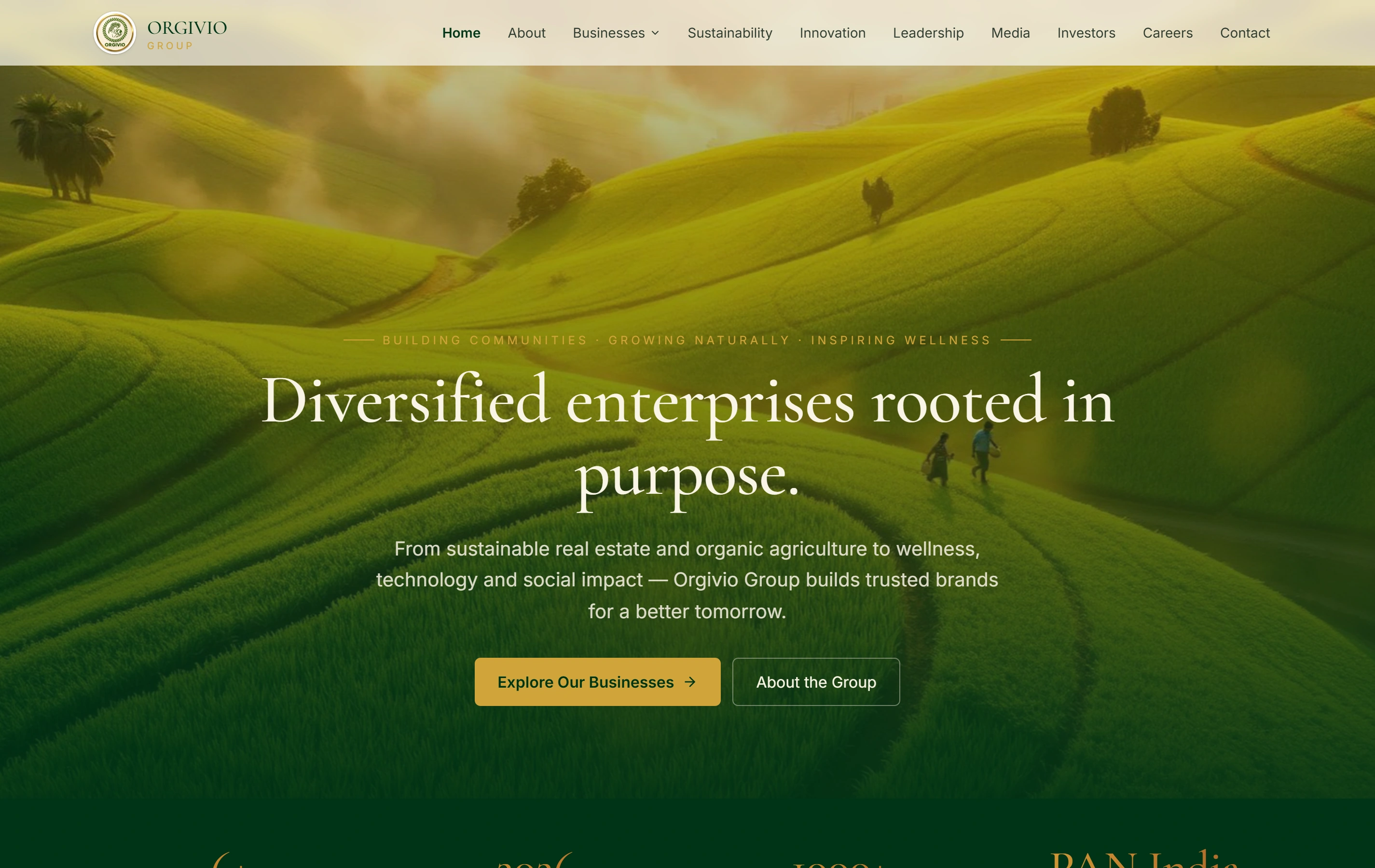
Orgivio Group is a documented public website presenting its businesses, leadership, sustainability and stakeholder information. It provides a real reference for connecting different information journeys. This portfolio describes website presentation; it does not establish a Webflow implementation, an Abu Dhabi engagement or the resource workflow proposed here.

Group presentationOne recognisable company story
Business divisionsSpecific routes from the overview
Stakeholder informationSeveral audience needs
Orgivio Group websiteOrgivio Group

Questions about the Webflow website project.

Is Webflow the right choice for every content website?

The choice follows the design, publishing tasks, functions and ongoing responsibilities. We inspect the actual requirement and available account arrangement before recommending the platform and scope. A website needing complex private workflows or operational records may need another approach or a separately planned connected application.

Can articles, downloads and external resources share a listing?

That can be part of the proposed content structure. The important decision is what each entry represents and what its action does. We review representative types with your editor, including descriptions and missing information, so the shared visual system does not make different destinations misleadingly identical.

Can you rebuild our current site and retain useful content?

Yes, where the existing material and access can be inspected. The proposal identifies what is retained, rewritten or moved, along with content entry, media and route work. Important old destinations and the new editing tasks are reviewed together before the agreed launch. A rebuild does not automatically include every historical file.

What will our team be able to update after handover?

The agreed CMS structure provides the entries and fields selected for ordinary publishing. We demonstrate an actual content task with the nominated editor and explain preview and release responsibilities. New page structures, provider connections and broader functionality may require further design or development, with account and technical owners named in the handover.