
Skip to content
Bristol · UI & UX Design

Make the next action clear. Explain what can be recovered.

Softglimmer offers UI and UX design for Bristol teams, delivered remotely from Ranchi. We investigate the task, organise the information and design the interface states needed for an understandable experience. A useful design engagement can improve an existing product or define a new journey. When a person removes an item from a list, the wording and feedback should explain whether it is temporarily hidden, recoverable in an archive or being permanently deleted.

Bristol service-area guide
A complete interface design commission with a single-item archive and restore journey whose consequences are clear before commitment.
  1. 01

    Understand the task

    Examine the reason someone wants the item out of the list.

  2. 02

    Design the alternatives

    Make archive, recovery and deletion meanings explicit.

  3. 03

    Prepare implementation

    Hand over the states and agreed behaviour with the visuals.

An example journey, shaped around your requirements.

Choose a design engagement around the real working task.

A focused assessment can identify where the current journey is confusing; a wider engagement can cover research, information architecture, wireframes, interactive prototypes, visual design and reusable patterns. We choose the extent of work with the team rather than assume that every usability issue needs a complete redesign. The brief identifies intended users, representative tasks, devices and the decisions the design should help resolve.

Discovery should establish what the product actually permits. If an item can be archived, the design needs to know who can find it again and what restoration changes. If permanent deletion is available, its meaning and any restrictions come from the responsible product and technical owners. A screen label should communicate an agreed rule rather than create one accidentally.

Design reviews use realistic content and relevant alternative states. We can agree evaluation with appropriate participants, an internal walkthrough or another suitable method, keeping each finding attached to the version and task examined. The handover includes responsive layouts, interaction notes, content and unresolved dependencies. Backend storage, retention and permission enforcement are implementation work to specify and verify in the built product.
Illustrative example: remove one inactive item from the working list.

Suppose an operator wants to tidy a list by removing an item that is no longer active. An icon labelled Remove could mean hiding it from their current view, archiving it for the team or permanently deleting it. The person cannot make an informed choice if those outcomes share the same unexplained control. This is a hypothetical single-item design example, not a Bristol product result.

Work through the ordinary archive action first. Show what will disappear from the active list, where the archived item can be found and what confirmation the person receives. Then review finding that same item and restoring it. A successful restoration should make its destination understandable, including the case where its former grouping has changed.

Consider permanent deletion as a distinct decision only if the product actually supports it. Review the consequence before commitment and the result afterward. An Undo message should only describe a recovery action that the implementation can provide. Use keyboard operation and a narrow screen during the walkthrough; the meaning should remain clear when a hover tooltip is unavailable.

Specify the single-item journey from intention to recovery.

The product owner approves the rules; the prototype shows how a person understands and follows them.

MomentMeaning to agreeState to designReview question
Archive requestThe item leaves the ordinary active list but has an agreed retained state.An action labelled with its actual consequence and sufficient item context.Can the person explain where the item will go?
Archive resultThe requested change has succeeded or needs another attempt.Clear completion or failure feedback that preserves useful context.Can the person tell whether the item is still active?
Find and restoreAn eligible archived item can return through an approved route.Archive discovery, item detail and restoration to a named destination.Can someone recover this item without knowing an internal shortcut?
Permanent deletionA separate approved action has different recovery consequences.A proportionate confirmation and an accurate resulting state.Does the interface avoid offering a recovery promise the product cannot fulfil?

Agree the outputs and who accepts them.

01

Task and information structure

Receive the agreed user task, item states and terminology. Record the rules that need an owner decision before they can become interface behaviour.

02

Prototype with representative states

Review an active item, archived item, restore attempt and the included failure conditions. Use realistic long labels and ordinary phone or desktop layouts.

03

Visual patterns and content

Develop the selected controls, hierarchy and feedback into a coherent visual system. Important consequences should be communicated in words as well as colour or icon treatment.

04

Implementation guidance

Provide the design files and state notes required by the receiving team. Specify any response information the interface needs and the scenarios to repeat after development.

Bring an ordinary removal request and the actual product rules.

Share the current screens, a redacted item and the reason it should leave the active list. Explain whether archive and deletion already exist, who can use them and how people recover work today. Include the person who owns retention decisions and the developer who understands implementation constraints. These inputs help distinguish a design ambiguity from a missing product capability.

Bristol collaboration uses agreed remote sessions with Europe/London and Asia/Kolkata named in dated invitations. Consolidated feedback should identify the task and prototype version, so a visual preference does not silently replace an approved behavioural decision.

Move from the brief to an agreed result.

  1. 01

    Research the intention

    Review what people need to remove and why, together with the existing product states. Select the useful design and evaluation scope.

  2. 02

    Prototype the complete journey

    Review archive, finding the item and restoration using suitable sample content. Explore the separately agreed deletion path only where required.

  3. 03

    Evaluate and explain

    Record observations, revise the design and hand over the states and implementation questions. Review the built journey if that work is included.

Explore a documented public website.

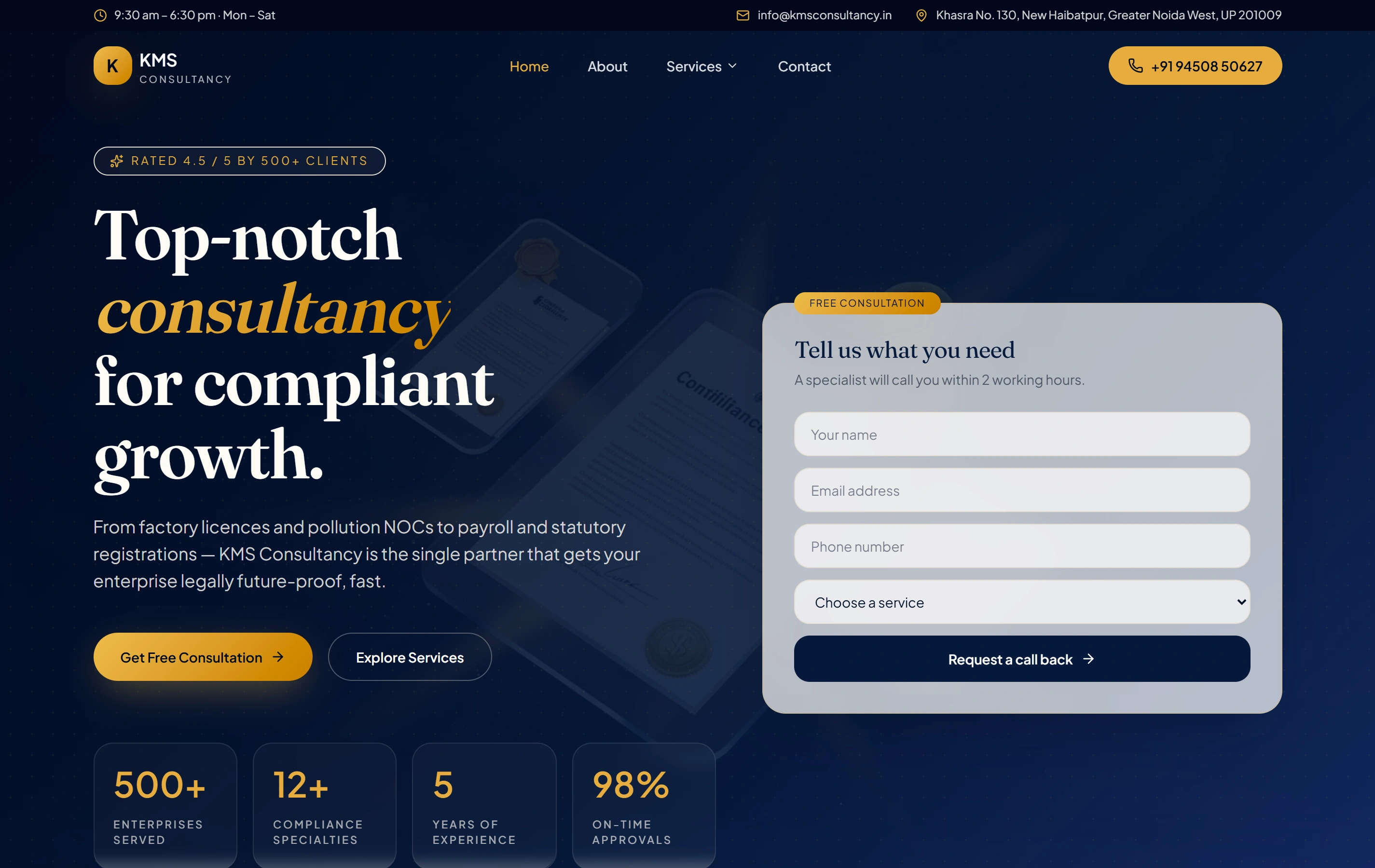
A structured website for a compliance consultancy, turning a complex service catalogue into clear pages and an enquiry journey. Use this public website reference to discuss information and presentation. The proposed ui & ux design commission has its own scope, implementation and acceptance requirements.

ContentCompliance
StructureService pages
ActionEnquire
KMS Consultancy websiteKMS Consultancy

Questions about commissioning the work.

Can this be a focused design project?

Yes. A bounded archive-and-restore journey can be assessed or designed without replacing every screen. We first check how it connects to navigation, item detail and the wider interface patterns.

Will the prototype implement archive or deletion?

The prototype demonstrates the proposed interaction. The selected storage, access and recovery behaviour needs implementation and verification. We can define those requirements with your technical team and scope development separately where useful.

How is the design evaluated?

We agree the task, participants and method according to the decisions you need to make. An internal review and a study with representative users are described accurately, with observations attached to the version examined.

What should we send for an estimate?

Provide the existing journey, intended users, representative item states and known product rules. We then propose the design outputs, review effort and handover needed for your Bristol team.