
Skip to content
Dubai · Webflow Development

A Webflow website with a clear story and useful next step.

Softglimmer designs and develops Webflow websites for Dubai businesses, bringing the offer, content, visual direction and working pages into one commission. We plan how visitors read, navigate and enquire, then build the agreed responsive website and editing structure. Where motion helps the presentation, we also design its reduced-motion experience. Delivery is remote from our Ranchi studio, with your team involved in the important content and design choices.

Explore the scope
One coherent website across reading, movement and everyday editing
  1. 01

    Shape the website

    Connect the audience, offer and content with an original design.

  2. 02

    Build the complete journey

    Develop responsive pages, navigation and agreed enquiry actions.

  3. 03

    Prepare the next update

    Give editors useful content patterns and a publishing walkthrough.

An example journey, shaped around your requirements.

Commission the design and the working website together.

A marketing website needs to give a visitor a clear account of the business and a useful way to continue. We begin with the audience, service offer, existing recognition and the material your team can supply. Discovery organises company, service, project and contact information into a page plan. Representative copy and imagery help establish a visual direction that belongs to your business.

The selected engagement can include content architecture, custom visual design, Webflow implementation, responsive components, CMS templates and enquiry functions. We compare the required publishing tasks, connected tools and ongoing responsibilities with the proposed platform and account arrangement. Content writing, image preparation, initial entry and migration have an agreed extent. A replacement site also needs deliberate treatment of useful existing pages, addresses and functions.

Presentation and operation are designed together. Visitors need understandable headings, links and actions. Editors need a practical way to maintain the material without recreating the page design each time. The proposal states the pages, content patterns, functions and handover included, with hosting plans and external tools identified separately. That gives the first release a complete purpose and an owner for the updates that follow.
Decide how the website tells the story.

Visual direction, reading order and working actions belong in the same design discussion.

01

What should a visitor understand first?

Choose the business explanation and supporting material before selecting an effect. A service sequence might help show how work progresses; a comparison or ordinary content section may explain it more clearly. Your content owner approves the meaning and order.

02

Where does movement help?

Give an optional transition a defined purpose, such as connecting related steps. Design the ordinary and reduced-motion presentations together. The page still needs the same useful explanation and onward actions when the chosen movement is reduced or omitted.

03

Which content repeats?

Identify the service, project or article entries your editors will maintain. Choose fields and templates from representative material, including a longer heading and an incomplete entry. Keep structural design changes distinct from routine publishing.

04

What must be ready for launch?

List the included enquiry route, approved content, useful old addresses and account responsibilities. Additional languages, external services or more complex application work need their own requirements. The estimate should reflect the website actually being commissioned.

Receive a designed website and a manageable publishing system.

The agreement connects the creative work, implementation and receiving team’s everyday tasks.

01

Website and content brief

The audience, main offer, page purposes and included content are organised into a clear first-release plan. Preparation and approval responsibilities identify what your team supplies and where you want help.

02

Original responsive design

Representative pages establish the visual system with real material. Reading order, navigation, buttons and useful narrow-screen arrangements are designed alongside the overall character.

03

Webflow implementation

The approved design becomes the agreed responsive pages and reusable components. Included CMS content, enquiry functions and supported connections have defined implementation and account responsibilities.

04

Ordinary and reduced-motion journeys

Where movement is included, the proposal identifies its purpose and the corresponding readable presentation. Relevant sections, navigation and enquiry actions are reviewed in both arrangements.

05

Content and transition work

The included copy, media, metadata and recurring entries are prepared or transferred. Important existing destinations receive a keep-or-change plan, with factual approval and publishing decisions owned by your team.

06

Editor and account handover

Your nominated editor practises an ordinary update. The handover explains publishing, approved content patterns, account ownership, recurring services and the route for design or technical assistance.

Design with real content, then follow the working page.

Each stage gives the business owner and future editor something concrete to assess.

  1. 01

    Discover and organise

    Review the offer, existing site and available material. Agree page types, platform fit, editing tasks and the first website scope.

  2. 02

    Develop the visual direction

    Design representative pages and their reading journeys. Decide which optional movement contributes to the explanation and how the alternative presentation works.

  3. 03

    Build and try the site

    Implement the approved layouts, content and selected functions. Review actual navigation, enquiries and content changes across the agreed conditions.

  4. 04

    Launch and equip the team

    Complete the agreed transition and public checks. Demonstrate the next publishing task and record the account, care and future-change responsibilities.

A hypothetical working example

The service explanation should remain useful when movement is reduced.

Hypothetical example: the proposed design introduces three service stages through a long animated sequence. Their wording appears only while the visitor moves through the transition. The project team first agrees the explanation itself, its order and the action available after each stage. The design can then provide an ordinary reading arrangement alongside the chosen motion treatment. With reduced motion selected, the visitor should still understand the stages, use the navigation and reach the enquiry route. Simply freezing the opening decorative frame would not settle those content and action requirements. We review both presentations using the same approved material, then ask the editor to amend a stage description. The update should remain meaningful in each view. This connects the website design, CMS editing and launch review to the same visitor journey.

Agree the meaning first, then design both presentations around it
  1. 01

    Write the complete explanation

    The business approves the stages and relevant next actions.

  2. 02

    Design the two presentations

    Ordinary and reduced-motion arrangements retain the same meaning.

  3. 03

    Follow and update the journey

    Read, navigate, enquire and try the editor’s ordinary change.

Hypothetical marketing-website example. Included motion and alternative behaviour are designed and checked for the selected implementation.

Bring the business story and the material an editor will maintain.

Share the current website, approved identity files, important services and representative content. Include the person who can approve the business explanation and the person likely to make later updates. If you have motion references, explain what you find useful about them: a connection between steps, a visual emphasis or the overall pace. We can assess that intention alongside simpler ways to present the information.

Webflow’s guidance recommends retaining valuable information when motion is disabled and providing alternatives. W3C also documents using a reduced-motion preference to suppress relevant animation. We use those principles to define and inspect the included website behaviour; the actual implementation and broader accessibility requirements still need their own review. Before implementation, we confirm the required platform capabilities and the agreed extent of accessibility review.

Dubai and Ranchi teams can agree review times and share consolidated written feedback between calls. Before release, follow the ordinary and reduced-motion journeys through the relevant content, navigation and enquiry actions. Let the editor change representative wording and explain how it is published. The handover identifies domain and account ownership, continuing care and how a new layout or interaction is commissioned later.

Explore a documented corporate website.

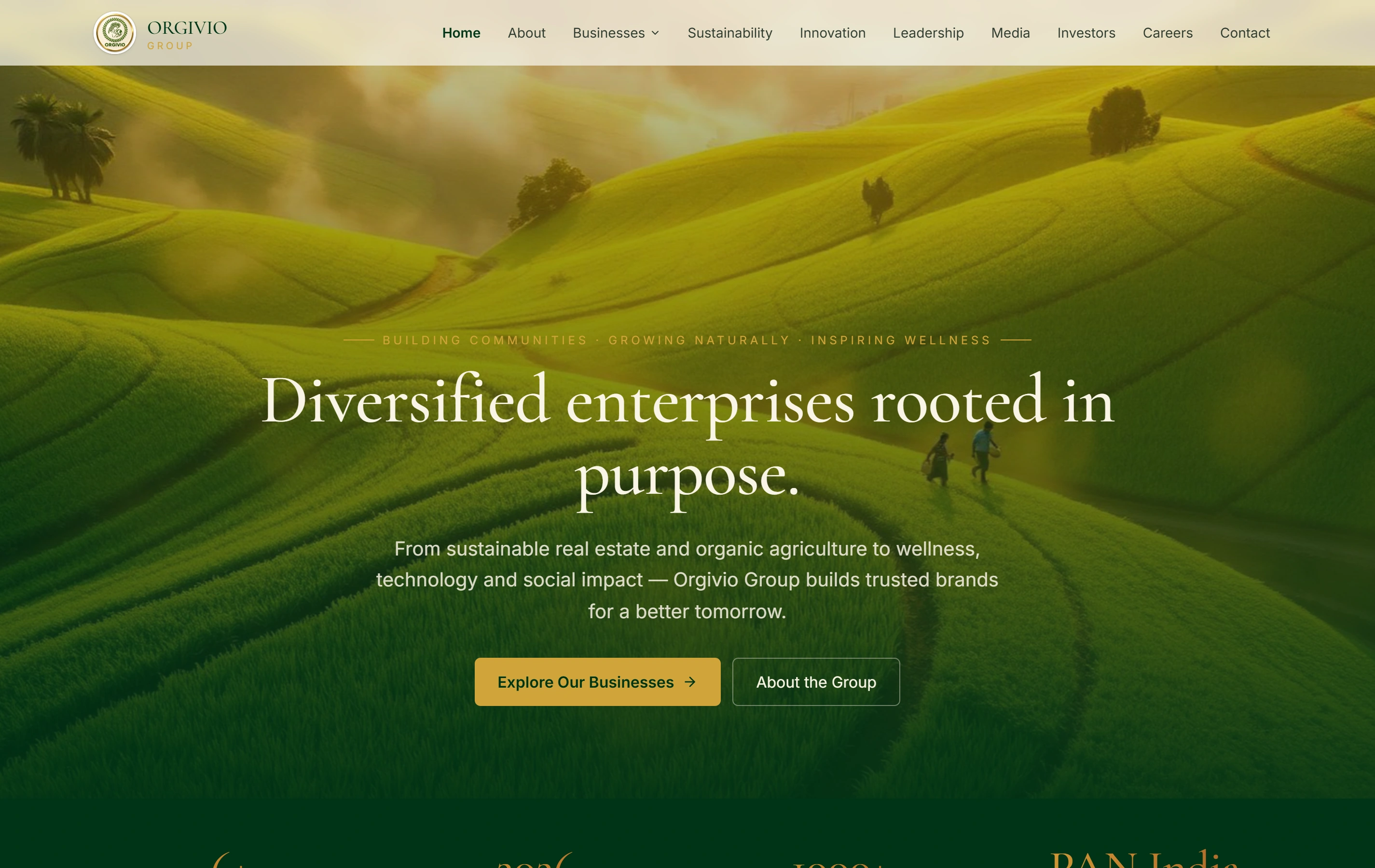
Orgivio Group is a documented Softglimmer website presenting its businesses, leadership, sustainability and stakeholder information. It provides a real reference for organising a company’s public story. Your Webflow implementation, visual direction and any motion treatment are defined for your own website.

Group presentationOne recognisable company story
Business divisionsSpecific routes from the overview
Stakeholder informationSeveral audience needs
Orgivio Group websiteOrgivio Group

Questions before we begin.

Use these answers to prepare the first conversation.

Can the commission include the design as well as development?

Yes. We can begin with your business offer and existing identity, plan the content and develop an original visual direction before implementation. The proposal names the page types, content preparation, review stages and Webflow build included. Supplied designs can also be assessed where you already have them.

Does the website need animation to look considered?

No. Clear typography, composition, imagery and content can form a complete design. Movement is included when it has a useful purpose and an agreed alternative. We discuss its role alongside the reading and contact journey rather than treating animation as a requirement for every section.

What will our editor be able to change?

The agreed CMS structure defines routine entries and fields. We demonstrate those tasks with realistic content, including how a change appears in the selected page arrangements. New layouts, more complex interactions and additional functions may need further design or development rather than an ordinary text update.

What affects the scope and continuing costs?

Page variety, original design work, content condition, CMS structure, migration and connections shape the project. Platform plans, external tools, domain ownership and ongoing care are identified separately. Our Ranchi studio reviews those decisions remotely with your Dubai contacts before proposing the build and handover.