
Skip to content
Website design and development for Dublin

Explain the business. Introduce the people behind it.

Softglimmer designs and develops business websites for Dublin teams, bringing service information, visual design, responsive pages and content editing into one commission. We can create a first site or improve an established one. Our studio is in Ranchi, India; delivery is remote, with an agreed page plan, content approvals, working contact routes and launch responsibilities.

View website work
A clear company offer, with people and experience presented in context.
  1. 01

    Clarify the offer

    Give each service an understandable explanation.

  2. 02

    Present real expertise

    Attribute people, roles and work accurately.

  3. 03

    Keep the site useful

    Agree the editing and release routine.

An example journey, shaped around your requirements.

Commission the website your customers need to assess the business.

A useful website connects the company introduction with the services a customer can actually commission. It gives the reader enough information to understand the offer, inspect relevant work and make a sensible enquiry. We plan those relationships before choosing page layouts or adding a team directory.

The work can include content structure, custom visual design, responsive development, service and project pages, CMS controls and agreed contact connections. A new business may need a focused initial site; an established business may need better inner pages or a careful redesign. Existing useful URLs, material and working functions are reviewed before replacement is proposed.

Your brief identifies the audience, available content, approver and first release. A public information website, a transactional store and a private operating application require different scopes. We explain those choices in the proposal rather than implying that every feature belongs in a standard website build.

Agree the complete website scope.

The written proposal selects the outputs and responsibilities for your commission.

01

Page and content plan

Map the company story, distinct services, useful evidence and contact journey. Record missing content and the person who approves it before extending the design.

02

Responsive design system

Develop navigation, typography, reusable sections and media treatments around representative content. Review service details and longer names on phone and desktop layouts.

03

Developed website pages

Implement the approved templates, links and relevant interaction states. Agree the first page set and how future service or project entries fit the structure.

04

Practical CMS controls

Define editable content, profile fields, images and metadata. Demonstrate draft review, publication and the agreed recovery route without exposing structural settings as ordinary content.

05

Working enquiry paths

Choose useful fields and receiving destinations. Review validation, acknowledgment and the actual receiving boundary for each included form or contact connection.

06

Launch foundations and handover

Prepare agreed metadata, canonicals, sitemap entries and migration decisions. Review the rendered site and explain content, technical and ongoing support responsibilities.

Let the company offer and individual experience support each other.

People can help explain the business without carrying every service claim.

01

Describe the service in its own right

A visitor should understand the work offered even if they have not opened a biography. Explain the engagement, relevant limits and next step on the service page. A person’s job title is not a substitute for that information.

02

Attribute experience to the right subject

Distinguish an individual’s earlier contribution from work delivered by the current company. Use business-approved descriptions of roles and qualifications. A project, endorsement or professional title needs its own accurate context wherever it appears.

03

Choose how much profile detail is useful

Some sites need a concise team introduction; others benefit from individual pages. Select fields that help customers understand the relevant role. Agree what can be published, who checks it and which service or general contact action is appropriate.

Give editors understandable content relationships.

Service pages, company facts and individual profiles may be related without being the same record. The CMS should make those relationships understandable. An editor needs to know whether they are changing a company statement, a person’s biography or the description of a delivered project.

During handover, rehearse an approved text change and inspect the pages that use it. Review image permissions, draft preview and publication responsibilities. A new service claim or credential still needs business approval; the ability to edit a field does not establish that the statement is correct.

Review the offer, the presentation and the working site.

Use dated Europe/Dublin and Asia/Kolkata invitations for reviews, with a nominated approver and agreed feedback windows.

  1. 01

    Define

    Bring the existing site, brand files, services and approved material. Identify the first release and the information that needs clarification.

  2. 02

    Design

    Review a representative service page, company introduction and relevant profile layout with real text. Resolve factual questions before spreading the design.

  3. 03

    Build and review

    Inspect the developed pages, navigation, CMS routine and agreed enquiry paths. Compare a redesign against the content and URL inventory.

  4. 04

    Launch and explain

    Approve the release checklist, required accounts and receiving owners. Hand over the editing routine, known limits and selected support arrangement.

An optional example: personal experience needs a different credit from company work.

Imagine a specialist joining a business with relevant experience from an earlier employer. Their approved biography explains that contribution. Moving the earlier project into the new company’s portfolio without its original context would tell a different story.

The website can introduce the person’s experience while keeping the company’s delivered work in a separately described collection. Review the actual role, wording and publication permission before choosing the presentation. The service page still needs to explain what this business is offering now.

This is a hypothetical content decision, not a Dublin client case, a claim about a named person or a statement that earlier work can always be republished.

Documented websites to inspect.

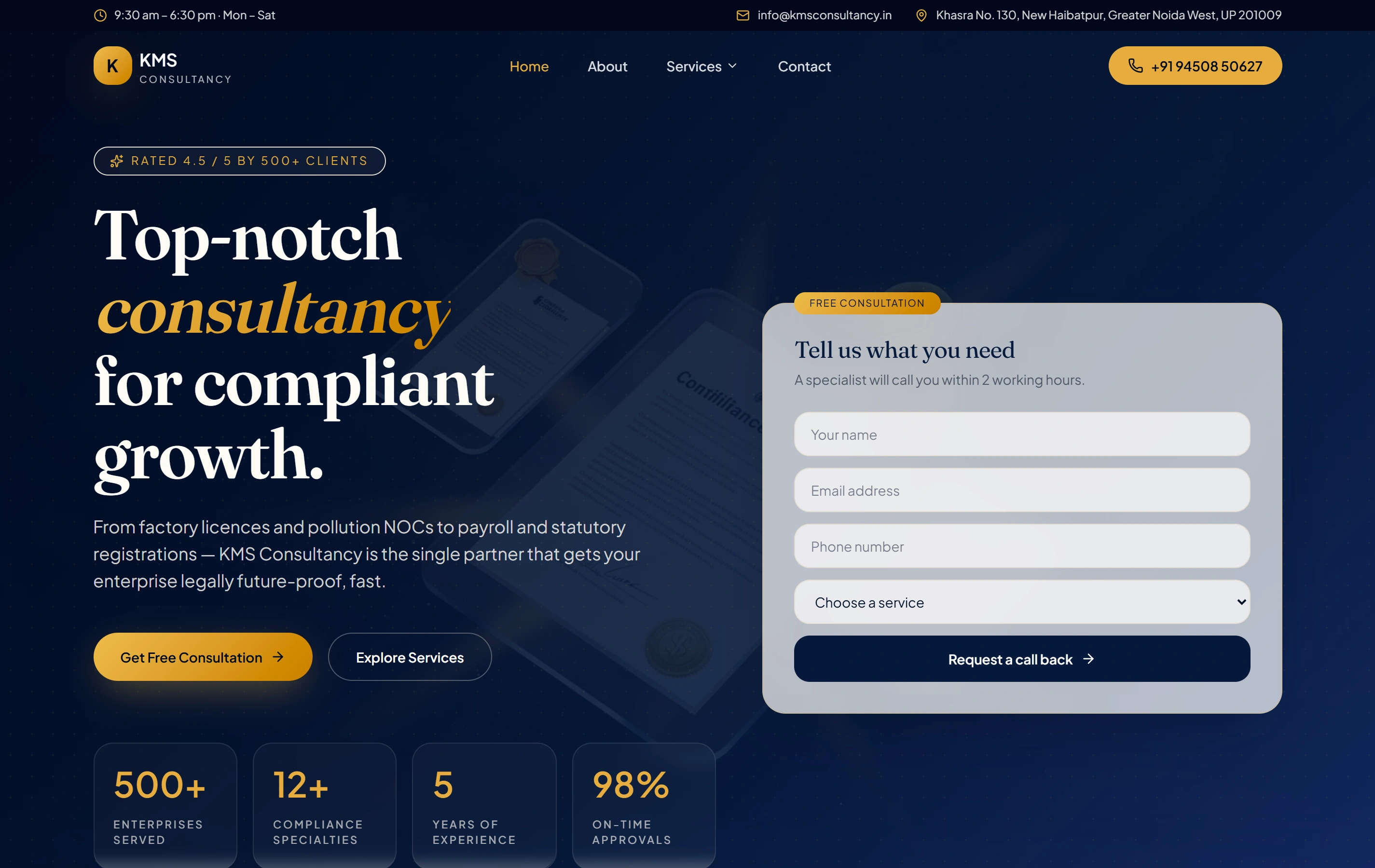
KMS Consultancy organises service information and a consultation enquiry path. Kiran Traders presents B2B service information and procurement enquiries. These are public website references, not evidence of Dublin clients, particular staff credentials or the illustrative biography scenario.

Questions before starting a Dublin website.

Is Softglimmer based in Dublin?

Our studio is in Ranchi, India. We can plan and deliver work remotely with a Dublin team through agreed reviews and written approvals. This page describes a service area, not an Irish office.

Do we need individual team pages?

Only when they help the audience and the business has suitable approved material. A concise company page may be enough. We decide the structure from the offer rather than making every website use a large directory.

Can the commission include copy and CMS editing?

Yes, where those tasks are agreed. The proposal identifies who supplies facts, who shapes the copy and who approves publication. It also names the content your team can edit and demonstrates that routine before handover.

What affects the estimate and launch date?

Page types, content readiness, design work, CMS requirements and connections affect the scope. We agree milestones around those dependencies. Technical search foundations can be included; a launch does not guarantee a search position or enquiry count.