
Skip to content

Create a useful mobile product. Be clear about what a download hands out.

Softglimmer offers mobile app discovery, design and development for Edmonton businesses through our Ranchi studio. We scope the repeated task, supported platforms, application and necessary supporting services together. A product may provide a current account view, a deliberately downloadable document or both. Those capabilities have different operating consequences when information or someone's access changes later.

Explore the commission
A current app view and a separately delivered file are different capabilities
  1. 01

    Choose the mobile task

    Compare the user need, devices and channels.

  2. 02

    Define the information

    Name the records and deliberate file handoffs.

  3. 03

    Review the release

    Check devices, accounts and continuing ownership.

An example journey, shaped around your requirements.

Define the product before adding device features.

Start with why someone would use the product repeatedly and what the business must do with the result. A responsive website may suit occasional public information; a mobile product can support a justified account task or device capability. We assess a new idea or an existing app with the actual product owner before selecting platforms, implementation approach and a complete first release.

The project can include user journeys, responsive mobile interfaces, application development, accounts, backend and administration work, approved connections, device checks and distribution preparation. Existing source and supported interfaces need authorised inspection. Offline use, notifications, downloads and extra device capabilities are explicit scope choices, not features implied by the presence of a phone screen.

Where a file is included, decide why the user needs a separate copy rather than a current view. Define its approved contents, date or version, destination and the operating instructions that accompany it. Changing an app permission controls the routes actually implemented under that permission; it should not be described as withdrawing every copy already handed elsewhere. Any additional managed-device requirement needs its own feasibility review and responsible owner.
A staff member downloads a report before their app access changes.

Hypothetical example: an authorised staff member reads a current report in the app and downloads an approved dated copy for a meeting. Their responsibilities later change and app access is removed. The project must distinguish the now-restricted live view from the separate file already delivered. A signed-out screen is not evidence that the earlier file was withdrawn.

Choose live information or an intentional snapshot for the actual task
  1. 01

    Current view

    Read information through the authorised product route.

  2. 02

    Separate snapshot

    Receive an expressly approved dated file.

  3. 03

    Later access change

    Apply the agreed live-access and file-handling responsibilities.

Illustrative product decision; no remote file revocation, managed-device capability or retention compliance is promised.

Choose the capability and its continuing responsibility.

The product owner approves the business need and information treatment. Technical discovery establishes what the selected device and services can implement.

CapabilityReason to include itScope and owner decisionAcceptance evidence
Current in-app viewThe task needs the latest authorised information.Define refresh, account access and what the app explains when the view is no longer available.The supported app route reflects the current rule after an access change.
Deliberate downloaded fileA separate copy has a genuine approved purpose.Agree contents, identifying date/version and a truthful explanation of whether it is a snapshot rather than a live record.The actual file can be identified and is not presented as automatically current.
File already deliveredThe app no longer controls every possible copy or destination.Name the business-approved handling responsibility. Investigate additional controls separately if the requirement depends on a managed environment.The handover does not claim a removed account automatically erases an external copy.
Capability not requiredThe task can be completed through a current view or another agreed route.Leave an unnecessary download out rather than add an unexplained distribution responsibility.The user still has a complete supported task and clear help when it cannot continue.

Commission the app and the supporting operation.

The agreement specifies what is designed, developed and reviewed for the selected platforms.

01

Product and platform brief

Identify users, repeated tasks, devices and the channel decision. Record the first-release boundary and external dependencies.

02

Journeys and mobile interface

Design navigation, task details and ordinary and unavailable states using representative information. Explain deliberate downloads in the flow.

03

App implementation

Develop the agreed product behaviour for the selected platforms, with the required account and device capabilities explicitly included.

04

Backend and administration

Define authoritative records, access changes, staff controls and suitable integrations. Inspect account ownership and receiving outcomes.

05

Device and workflow acceptance

Exercise the complete task on agreed devices and builds, including the chosen file handoff and later access-change case.

06

Distribution and ongoing handover

Prepare the selected release route and document source, platform accounts, backend operation, issue reporting and future updates.

Inspect the app route and the actual delivered file separately.

For the hypothetical report, use safe sample information and the actual supported build. Open the permitted view, request the included download and inspect its identifying contents. Apply the approved access change, then review what the app and supporting service actually allow. Record the separate-file outcome honestly; a message inside the app must not imply a capability that was not implemented. Where managed-device or other additional controls are essential, acceptance needs the selected real arrangement rather than a general assurance.

Bring the repeated task, existing app or systems, sample report and reason for downloading it. Include the people who approve access and information handling, plus the owners of supporting services. Dated America/Edmonton and Asia/Kolkata reviews connect those decisions with our Ranchi delivery team. The release handover distinguishes configuration the owner can change, technical maintenance and further product work; platform distribution approval remains an external decision.

Review the product as a complete working service.

  1. 01

    Discover the task

    Compare the channel and platform choices, information purpose and operating responsibility.

  2. 02

    Design and settle the rules

    Use realistic journeys to agree account, view and deliberate file behaviour before implementation.

  3. 03

    Build and follow the result

    Develop the selected app and supporting functions, then inspect the relevant records and device outcomes.

  4. 04

    Prepare release and care

    Agree distribution duties, account access, issue reporting and the continuing support boundary.

A documented public website reference.

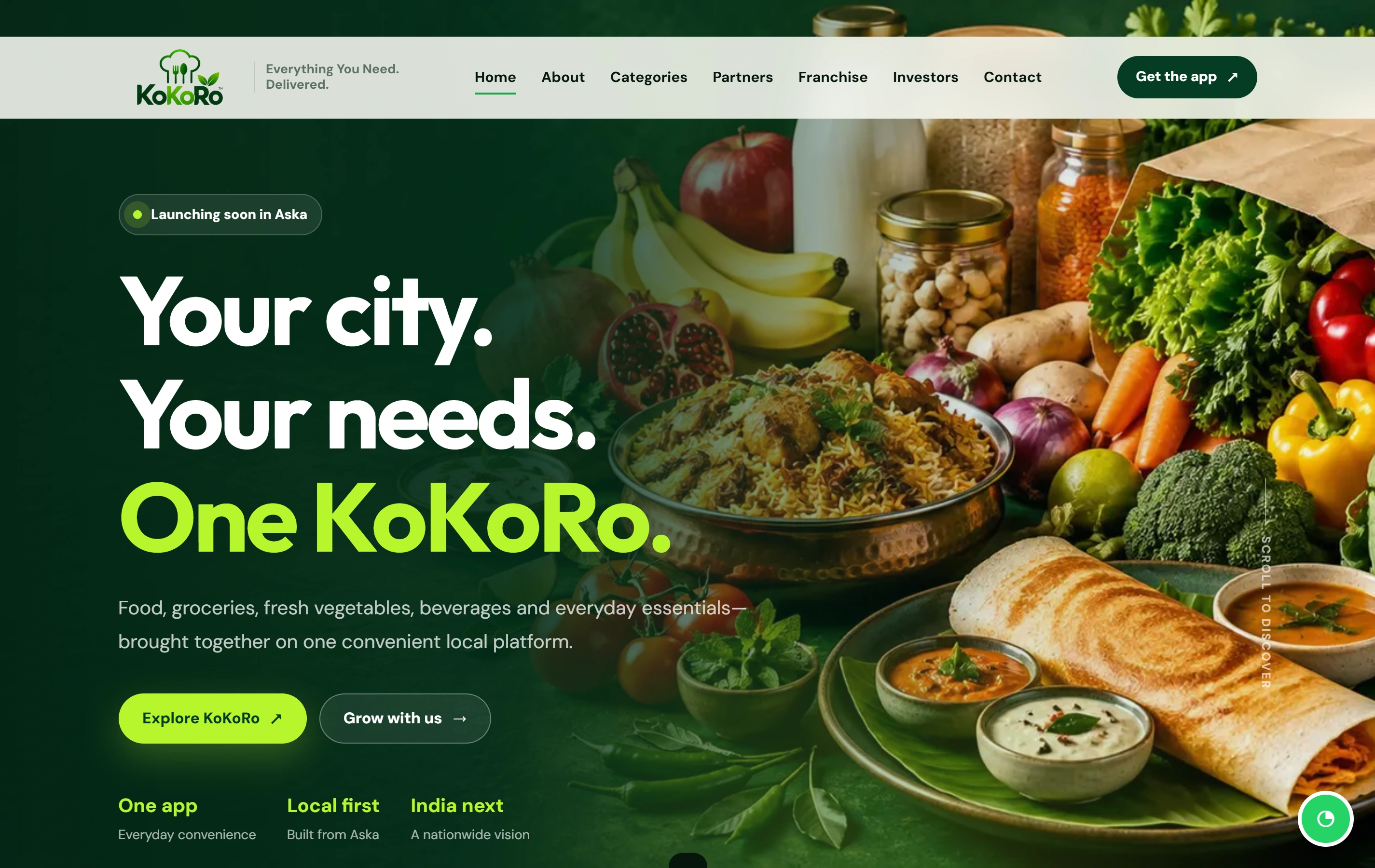
KoKoRo is a documented website introducing a commerce and delivery platform to customers, vendors, delivery partners and franchise audiences. Use it as a public audience-information reference. The mobile application and file-handling requirements in this guide form a separate proposed commission.

Launch introductionClear launch context
Commerce categoriesAn approachable proposition
Partner journeysDistinct conversations in one brand
KoKoRo websiteKoKoRo

Questions about commissioning the mobile product.

Can the app offer a current view without downloads?

Yes, if that completes the selected task. We agree the viewing, refresh and access behaviour instead of treating a file export as mandatory.

Will removing access withdraw every file already downloaded?

No such general promise is made. The project identifies what the implemented account control affects and what a separate file handoff means. Additional device-management requirements need a specific feasibility and ownership review.

Can you work with our present backend?

We inspect its supported interfaces, records and authorised access with its owner. Required changes, administrative controls and exception behaviour must be identified in the scope.

What happens after the first release?

The operating handover assigns platform and backend accounts, maintenance, dependency updates and the help route. New features and support availability follow the actual agreement, not an unlimited compatibility promise.