
Skip to content
Hyderabad · Brand Identity & Launch Kit

Brand identity for Hyderabad businesses.

Softglimmer creates brand identities and launch assets for Hyderabad businesses that need a consistent presence across websites, proposals and everyday content. We can refine an existing identity or develop an agreed new direction, with practical colour, typography and usage rules. Our Ranchi studio works remotely with your reviewers, confirming the required applications, editable files and asset licences before handover.

Explore Hyderabad
An identity your team can apply after the launch.
  1. 01

    Choose the direction

    Clarify the audience, positioning and identity to preserve.

  2. 02

    Create the visual system

    Connect the logo, colour, typography and agreed applications.

  3. 03

    Prepare daily use

    Give collaborators practical files and usage guidance.

An example journey, shaped around your requirements.

Start with the business identity, then the materials it needs.

A business launching its first identity needs different decisions from one refreshing an established name. We review the audience, positioning and existing assets before choosing a direction. The work can preserve a recognised logo, refine its applications or develop an agreed new visual identity.

The brief names where that identity will be used: a website, proposal, presentation, social content or separately agreed print applications. We define the required formats and who will create everyday materials after delivery. Naming and verbal identity, where needed, are specified separately from visual design.

The joint-event example later on this page shows how identity rules can make collaboration clearer. It is one possible application. Your own identity or launch brief does not need to involve a partner or event.
Choose an identity engagement that fits the starting point.

The proposal defines the chosen direction, review stages and outputs rather than treating every business as a complete rebrand.

01

A new identity direction

Clarify positioning and create the agreed logo or wordmark direction, visual language and initial applications for a business starting its identity system.

Discuss before build: Confirm the audience, name and launch channels.

02

A controlled identity refresh

Keep recognition that still works while addressing inconsistent type, colour, layout or asset use. Changes to an established mark are decisions to approve, not assumptions.

Discuss before build: Bring the current assets and their everyday applications.

03

A practical launch kit

Apply an approved identity to the specific website, social or presentation assets the launch requires. Select reusable templates around the people who will maintain them.

Discuss before build: List formats, tools and file recipients.

Agree the identity assets and their use.

These are available areas of the brand scope. The agreement names the selected files, applications and review responsibility; it does not promise unlimited production work.

01

Audience and creative brief

Record what the business needs to communicate and the approved direction against which concepts will be reviewed.

A shared basis for creative decisions.
02

Logo and wordmark direction

Develop or refine the agreed mark, with the required variations and digital sizes defined before final delivery.

Named concepts, approval points and export needs.
03

Colour and typography rules

Define usable colour values, type hierarchy and application guidance for the materials in scope.

Practical rules and any required font licences.
04

A connected visual language

Show how layout, icons and image direction work together in the agreed customer touchpoints.

Applications that explain the system beyond a logo.
05

Selected launch assets

Prepare the specified website, social or presentation starter assets and the agreed editable formats.

A finite asset list tied to launch use.
06

Master files and guidelines

Organise the approved assets with usage, spacing and common-mistake guidance for future collaborators.

An asset and licence handover the team can follow.

Make creative reviews and handover decisions visible.

For an estimate, share the current name and assets, intended customers, launch channels, materials that need to change and the people approving them. Identify the tools and formats your team will use afterward. Reviews take place remotely from Ranchi; we agree meeting times, consolidate feedback with the nominated reviewers and record which direction has been approved.

  1. 01

    Clarify the brief

    Review positioning, existing recognition and intended applications. Agree which identity decisions and production assets are included.

    A written brief and scoped estimate.
  2. 02

    Review the direction

    Assess concepts against the brief, gather the agreed reviewer feedback and confirm the direction before preparing final applications.

    Recorded creative approvals.
  3. 03

    Apply and check

    Check the selected identity on the actual website, proposal or launch formats. Resolve practical sizing, contrast and file-use issues within scope.

    Reviewed application files.
  4. 04

    Handover for continued use

    Provide the agreed master/export files and guidelines. Record third-party licensing needs and ownership; additional launch channels or later asset work need their own scope.

    A usable identity kit and future-change responsibilities.

Commission identity materials for a defined collaboration.

This service can cover relationship copy, visual hierarchy, approved mark usage and the agreed editable or exported materials. A new primary business identity, a limited refresh and a co-brand application of existing identities are different scopes. We establish which one you need, the actual outputs and the reviewers before proposing a design direction.

Use the project enquiry to share the offer, supplied assets and intended page, invitation or presentation. We review the material and propose a written scope and estimate around the approval sequence. The commissioned handover lists the deliverables and permitted changes. Brand naming, legal clearance and a collaborator’s identity approval remain separate decisions with their appropriate owners.

A hypothetical working example

A joint event announcement needs to explain two different responsibilities.

Consider a hypothetical Hyderabad business preparing an event with another organisation. One team owns registration and attendee communication; the other provides a demonstration session. Both names will appear on a landing page, invitation and presentation. The business owner wants a coherent design, while the collaborator needs its mark and role described accurately. The first design brief can settle those responsibilities, then turn them into a small reusable system. It should not imply that the collaborator is a corporate division or that either organisation endorses unrelated services.

Make the offer readable before styling it

Write the main offer, the responsible organisation and the collaborator’s contribution in plain language. Test the wording without the logos. If the invitation still leaves readers unsure who runs registration or who delivers the session, layout alone will not solve the problem. Agree the wording with the people authorised to approve it.

Use approvals that belong to the output

List the actual marks and supporting images supplied for the event. Record where the approved versions may be used and who reviews any changed treatment. A logo in an old slide deck is not sufficient evidence of approval for a new public page. An unresolved permission can remain a visible planning item rather than being guessed by the designer.

Make a business and its collaborator recognisable without blurring who owns the offer.
  1. 01

    Name the relationship

    Explain the contribution and accountable business.

  2. 02

    Approve the assets

    Use the correct marks, wording and contact routes.

  3. 03

    Check each material

    Review the combined meaning across the actual outputs.

Illustrative project planning sequence.

Build the identity rules around the relationship people need to understand.

01

Choose a clear visual hierarchy

Decide which organisation owns the main offer and how the collaborator is introduced. Use a consistent relationship label where it helps, such as the agreed description of a session contribution. Review the hierarchy at the size of a phone screen and a presentation slide. The system should preserve legibility when the longest approved name is used.

02

Create an approved asset register

Keep the supplied mark, colour references, required wording and reviewer together. Identify which files are usable for the scoped digital or print outputs. Record unresolved assets and avoid inventing a substitute partner logo. If a new primary business identity is part of the project, scope its approval separately from the collaborator’s existing mark.

03

Review the meaning of imagery

Decide whether an image explains the event, demonstrates the offer or is decorative. W3C guidance makes image alternatives depend on purpose. A public event page therefore needs suitable text alternatives for informative images, while decorative treatment should not repeat unnecessary content. The review must also confirm the team has permission to use the supplied image.

04

Keep the next step owned

Place the registration or enquiry action where readers can understand who receives it. Explain what happens after the request without implying a booking or confirmation the team has not approved. If an output links to a collaborator’s site, check the destination and wording as part of the same release review.

A small co-brand system with named reviewers.

01

Relationship and wording sheet

The main offer, collaborator contribution and responsible contact route, with a named approval owner for each. This sheet becomes the copy reference for the invitation, page and slide. It includes any wording that must remain intact and questions still waiting for an authorised answer.

02

Output-specific identity layouts

Agreed arrangements for the selected public materials, using the approved marks and hierarchy. Examples include long names, small displays and an output where only one mark is needed. The layouts show the rules in context instead of assuming one large desktop composition will suit every use.

03

Asset handover and release checklist

Approved files, usage notes and editable outputs within the commissioned scope. A final check compares the copy, marks, image purpose and destination links across all materials. The handover names who can approve a future collaborator change, so the team can update the system without treating the first event as permanent.

Review the invitation and the landing page as one communication.

Bring the approved business name, collaborator details and the actual offer. Include any supplied identity guidance and the person who can resolve usage questions. Separate facts already agreed from draft relationship wording. A business owner can approve the offer; the project also needs the collaborator’s appropriate reviewer for its identity and contribution.

Read the invitation aloud, then follow its link to the page. Ask whether a reader would expect the same organiser, session and next step on both. Inspect the combination with a long name and at a smaller size. Check the image alternatives in the web version and the legibility of the information in the slide or print output. Resolve differences before exporting the final assets.

Remote Hyderabad reviews with our Ranchi studio can be organised around these connected outputs and their approval owners. The first phase may be a compact co-brand pack for one event or launch rather than an unrestricted redesign of both organisations. Its usefulness comes from a repeatable relationship rule, readable design and a clear handover for the next approved collaboration.

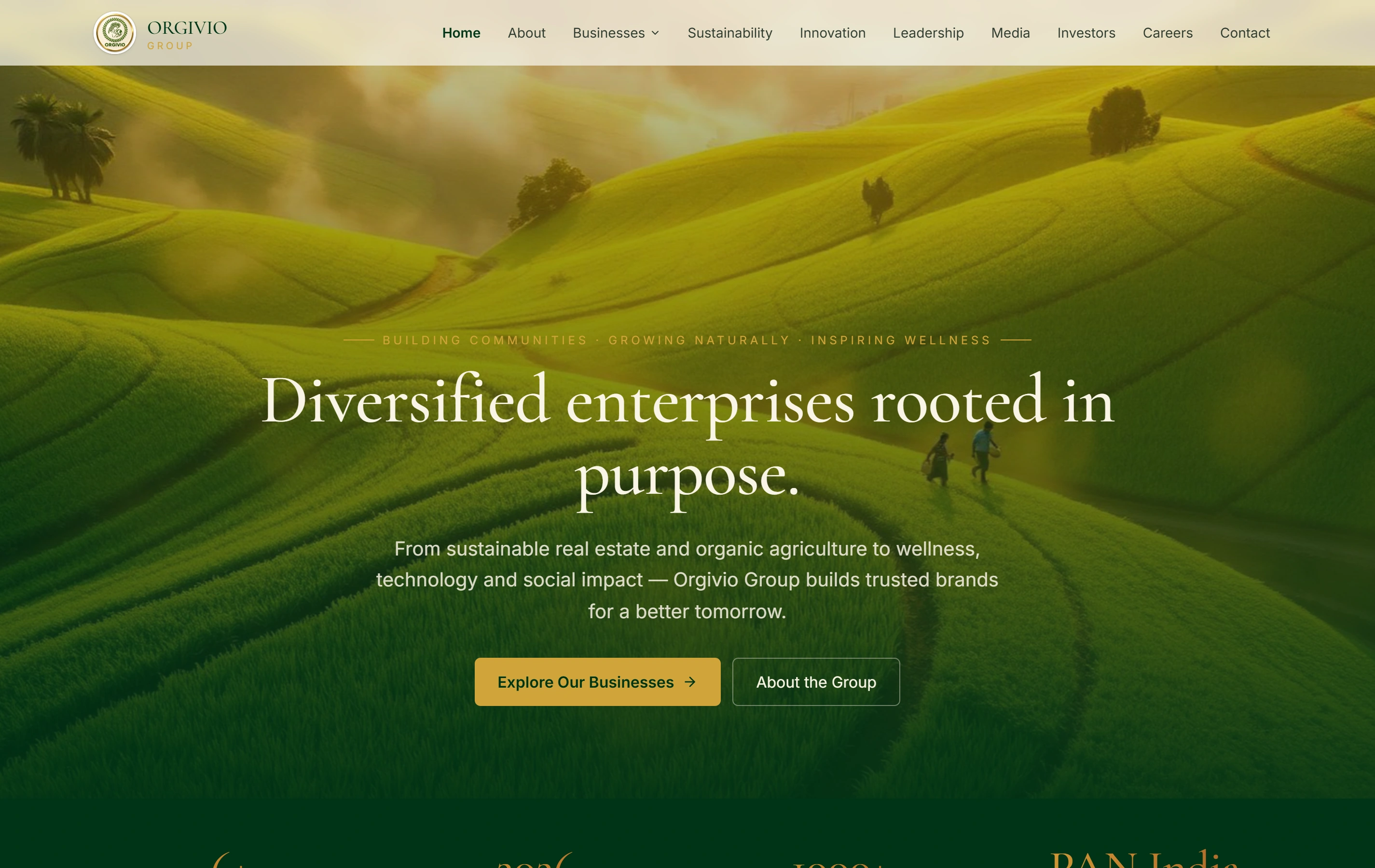
Distinct business information in the Orgivio Group website.

Orgivio Group’s website presents its businesses and corporate information within an organised public structure. It offers a real website example of distinguishing related information while keeping the whole understandable. This does not establish a delivered co-brand identity pack, partner-mark permission or Hyderabad client result; the joint-event example above is hypothetical.

Group presentationOne recognisable company story
Business divisionsSpecific routes from the overview
Stakeholder informationSeveral audience needs
Orgivio Group websiteOrgivio Group

Choosing the service and defining the project.

Can we keep the logo and still improve the identity?

Yes. An identity refresh can focus on type, colour, layout and applications while retaining the existing logo. We agree any changes to the mark separately and review what recognition should remain.

Does the launch kit include naming, packaging and every social asset?

Only the items listed in the proposal are included. Naming or verbal identity can be scoped when required. Packaging, print production and additional social formats have different decisions and must be named rather than assumed.

What will the team receive and be able to edit?

The agreement lists master/export formats, logo variations, guidelines and selected starter assets. We check the recipients’ tools and needs, and identify third-party font or image licences before delivery.

How do you estimate an identity project?

We review whether the work is a new identity, refresh or application of an existing system, then consider the asset list and review requirements. The proposal defines direction, stages and output formats without promising that design alone will produce business results.

Can we start with a single event or partner announcement?

Yes. A useful first scope can cover the relationship wording, the agreed assets and a small set of connected materials. Broader brand identity work can follow if the business needs a new primary identity or a larger system.

Can you redesign a partner logo to fit our page?

Use the collaborator’s approved asset and usage guidance. A change to its identity needs the appropriate authorised approval; we do not assume an existing partnership permits redesigning its mark.

What if one reviewer has not approved the wording?

Keep that wording and its dependent outputs pending. The team can review the surrounding layout while the responsible person resolves the relationship statement. An unapproved statement should not become a public fact merely because a design is finished.

Where will the design reviews take place?

Softglimmer is based in Ranchi. We can review Hyderabad materials remotely with your authorised owners, using the actual page, invitation or presentation and written approval decisions. No Hyderabad office is claimed.