
Skip to content
Ottawa · WordPress & CMS Development

Make publishing understandable. Give the editor a useful routine.

Softglimmer offers WordPress and CMS development for Ottawa businesses through remote delivery from Ranchi. We plan the page structure, responsive design and editing tasks together. A project can create a new website, improve an existing setup or migrate approved content into a more suitable arrangement. The receiving editor should understand which material is still a draft, what has become public and how an ordinary later correction is reviewed.

Ottawa service-area guide
A complete WordPress and CMS website commission with a practical distinction between reviewing unpublished material, making it public and later correcting an approved page.
  1. 01

    Model the content

    Choose fields and patterns from real entries.

  2. 02

    Build usable editing

    Make the ordinary task understandable to its owner.

  3. 03

    Review the public result

    Connect draft decisions to the actual released page.

An example journey, shaped around your requirements.

Choose the platform work from the publishing requirement.

A new website needs an audience and page plan as well as a theme. A focused improvement may need clearer templates or content controls within the current installation. A migration adds existing content, media, addresses and connection responsibilities. We examine representative entries and current tasks before deciding which scope fits. The proposal states design, development, content preparation and entry responsibilities.

Templates and fields should accommodate genuine variations without making every update a new design exercise. Review short, long and incomplete approved material. Themes, plugins and external services are inspected for suitability, licences, access and continuing ownership. Additional languages, complex approvals and new application functions are requirements to assess, not automatic consequences of choosing WordPress.
Illustrative example: the team reviews a service that is not ready to be public.

Imagine a business preparing a new service page. Its editor has a first draft, while the information owner still needs to confirm a condition. The review needs an appropriate private preview so the owner can judge the real page arrangement without presenting unfinished facts as an available public offer. This is a hypothetical publishing exercise, not an Ottawa client implementation.

Agree who can edit, who approves the facts and which action makes the accepted version public. After publication, try a simple approved correction to that same entry. The editor should understand the current public state and how the chosen system handles the pending change. A saved edit, a reviewed draft and a verified public correction are different observations. The selected implementation and walkthrough should make those differences clear without imposing unnecessary roles on a small team.

Demonstrate the publishing routine with one representative entry.

Choose the permissions and controls appropriate to the actual team and platform.

StageQuestion for the teamControl to agreeWhat to inspect
Prepare the draftWhich information is approved and what still needs a decision?Usable fields, an appropriate preview route and clear ownership.The reviewer sees the intended layout and knows the material is unpublished.
Approve the contentWho resolves the remaining facts and conflicting comments?A practical review record tied to the selected version.The agreed condition and other important information are present together.
Make it publicWho may perform the publishing action?The suitable permission and release step for this installation.The actual public address contains the accepted entry and its useful action.
Correct it laterHow does an approved ordinary update become public?The selected edit, review and correction process.The public result reflects the intended update while the rest of the approved information remains useful.

A working website and an editor-ready handover.

The proposal defines the included extent and continuing duties.

01

Page and content model

The selected collections, fields, relationships and realistic sample entries.

02

Responsive templates

Designed and developed page patterns using approved branding and representative material.

03

Editing and publishing controls

The agreed editor tasks, permissions and preview/release behaviour.

04

Scoped functions and migration

Required forms or connections, transferred content and retained or redirected addresses where included.

05

Ownership and care notes

Hosting, accounts, theme/plugin licences, backups, updates and the support route.

Let the intended editor practise before handover.

Ottawa and Ranchi reviewers can use dated America/Toronto and Asia/Kolkata invitations.

  1. 01

    Bring a real publishing task

    Share representative content, current URLs and who drafts, checks and publishes it. Include known editing difficulties.

  2. 02

    Agree the content pattern

    Review fields, public templates and realistic variations with the business and editorial owners.

  3. 03

    Build and demonstrate

    Implement the selected scope. Walk through an unpublished entry, publication and an ordinary correction using the agreed controls.

  4. 04

    Release and transfer

    Check the public journeys, included migration and receiving form result. Provide the editing walkthrough and continuing account/maintenance responsibilities.

A published website reference.

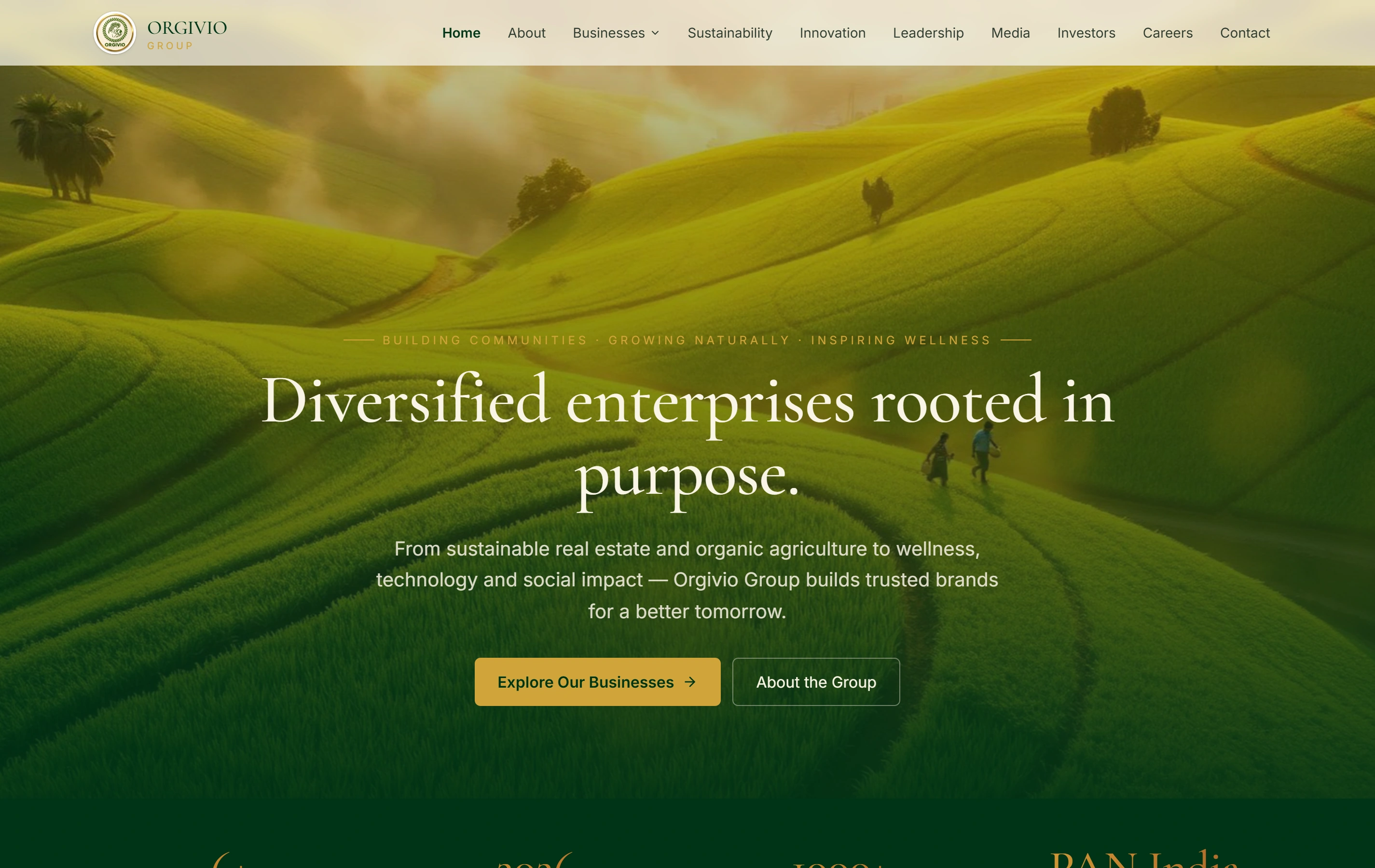
A corporate group website presenting its businesses, sustainability, leadership and stakeholder information. The public case can inform discussion of information and presentation. It does not demonstrate the hypothetical system or specialist outcome in this guide.

Group presentationOne recognisable company story
Business divisionsSpecific routes from the overview
Stakeholder informationSeveral audience needs
Orgivio Group websiteOrgivio Group

Questions before commissioning WordPress or CMS work.

Does every team need several publishing roles?

No. The arrangement should fit the people and information involved. A small team may combine responsibilities. What matters is that the editor understands which action changes the public page and who confirms its facts.

Can the website remain on its existing platform?

Possibly. We inspect its current controls, dependencies and requirements first. A focused template or content-model improvement may be sufficient; a migration should address a real limitation.

Does the portfolio prove a particular WordPress workflow?

The cited case documents a public website. Platform technology and editorial controls for your project need their own selected scope and demonstration.