Skip to content
Brand Identity Design for Ahmedabad Businesses

Give the business a clear identity. Use its imagery with purpose.

Softglimmer offers brand identity and launch-kit design for Ahmedabad businesses from our Ranchi studio. We develop the agreed visual direction around the audience, offer and recognition the business wants to build or retain. Logo, type, colour, imagery and selected launch applications belong in one considered brief, with the asset list and handover defined before production.

Explore the scope
From a clear brief to usable identity materials
  1. 01

    Understand the offer

    Agree the audience, positioning and recognition worth retaining.

  2. 02

    Develop the visual system

    Review the mark, type, colour and image conventions together.

  3. 03

    Prepare the launch kit

    Hand over the selected applications, assets and usage guidance.

An example journey, shaped around your requirements.

A complete service engagement

Choose what the identity needs to communicate.

A useful creative brief explains the business, the people it wants to reach and the places its identity will appear. Bring approved service information and existing material as well as visual references. We discuss whether the project needs a new identity, a focused refresh or applications prepared from an established system. The scope should follow that starting point rather than assume every inconsistency requires a different logo. The design work can bring together a mark or wordmark, typography, colour, layout and image conventions, then apply them to the website assets, proposal, presentation or social material selected for the launch. Imagery deserves a deliberate decision within that system. An illustration may express an idea effectively, while a photograph of actual work serves a different purpose. A coherent style should help readers understand that difference rather than blur it.

Illustrative imagery review across two applications
  1. 01

    Identify the supplied images

    Distinguish an actual team photograph from illustrative material.

  2. 02

    Agree each image purpose

    Confirm the explanation, permissions and relevant context.

  3. 03

    Review the applications

    Check the website and proposal against the same approved convention.

A hypothetical review sequence within the full identity commission; the business approves factual context and asset use.

Review recognition, expression and practical use together.

01

Audience and positioning

Describe the offer and the audience in concrete terms. Supply the business name and factual statements the owner has approved. The creative direction can clarify those inputs without inventing market leadership, a company history or a completed project.

02

Identity and supporting language

Review the mark, text hierarchy, colour and graphic treatment as a system. Use a normal information-heavy application as well as a launch composition, so the direction works when it needs to explain something rather than simply attract attention.

03

Purposeful imagery

Decide where actual photographs are needed and where an illustration or other licensed material is appropriate. Record captions, credits and permitted treatments where relevant. A shared colour treatment does not turn an illustrative image into evidence of the business.

04

Files people can use

List the launch outputs, editable formats and tools used by the receiving team. Agree source ownership and third-party licence responsibilities. A website design, an exported graphic and an implemented web page are different deliverables.

Illustrative planning example

An illustrative example: two images do different jobs.

Imagine a business preparing a website introduction and a proposal. It has an approved photograph of its own team and a licensed generic image that helps explain a service idea. The initial layout gives both the same treatment and labels neither, leaving a reader unsure which people or setting belong to the business. This is a hypothetical design exercise, not an Ahmedabad client story.

The identity review can agree how each image is used. The real team photograph receives its approved context; the illustrative material supports the explanation without implying that it depicts the office, staff or a completed engagement. If the business cannot supply evidence for a claim, the composition should not create that claim indirectly.

Review the same convention in the proposal and the website application. The handover identifies the intended image purposes and any permissions or credits the team must retain when producing the next material. It is a practical part of the wider identity commission, alongside the visual direction and usable assets.

An identity package with a practical asset plan.

The proposal names the selected outputs, the material the business supplies and the responsibilities needed to deliver and use the work.

01

Creative brief and approved direction

An account of the audience, offer, intended character and material to preserve. The proposal identifies the concepts, review stages and decision maker for the commissioned work.

02

Visual system and applications

The selected mark, type, colour and supporting conventions shown through the agreed website, document or launch uses. Ordinary text and genuine supplied material make those reviews meaningful.

03

Imagery and usage guidance

Examples distinguishing image purposes, permitted treatments and relevant attribution. Font and asset sources, licensing duties and any material still needed from the business remain visible.

04

Organised production handover

The commissioned master files, exports and editable applications, with instructions suited to their users. Additional website implementation, printing or continuing creative production is included only where expressly named.

Remote discovery and delivery from Ranchi

Bring the material behind the intended presentation.

Share the current identity, approved business information and the first materials you need to produce. Include a few actual photographs where available, their intended uses and who can approve them. Tell us which visual assets must remain and which may be reconsidered.

Remote reviews from Ranchi can then compare a consistent direction in realistic applications. The estimate reflects the design work, selected outputs, supplied material and review responsibilities. The receiving colleague should be part of the handover so the rules remain usable when the next proposal or announcement is prepared.

A factual website reference from the portfolio.

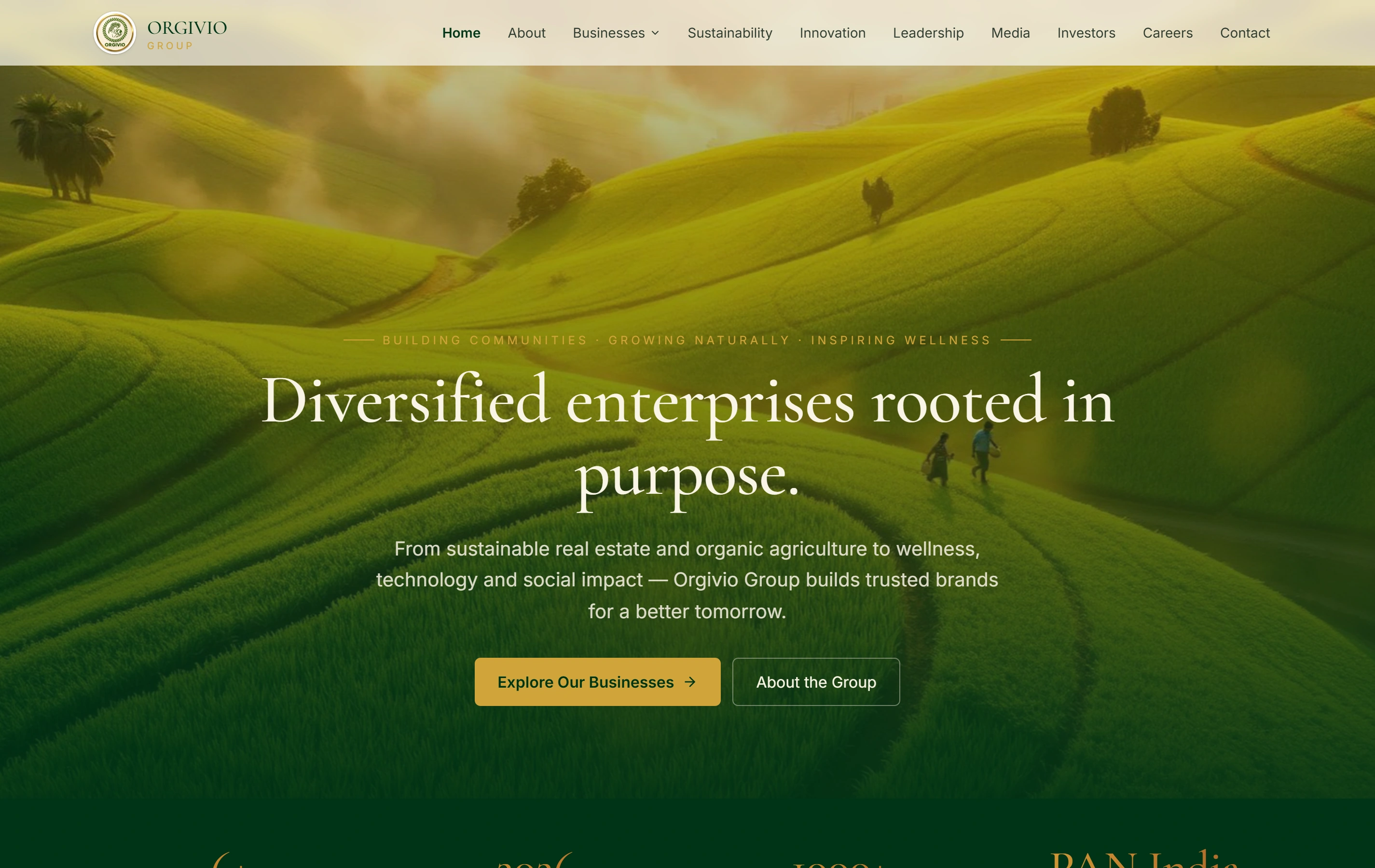
Orgivio Group is a documented corporate website presenting its businesses, sustainability, leadership and stakeholder information. It offers a factual website reference for business information and visual presentation. Its case does not establish a separate identity commission, the proposed image conventions or an Ahmedabad client relationship.

Group presentationOne recognisable company story
Business divisionsSpecific routes from the overview
Stakeholder informationSeveral audience needs
Orgivio Group websiteOrgivio Group

Questions about the engagement.

Can we commission launch material without replacing the logo?

Yes. We inspect the supplied identity and the applications you need before proposing the work. A focused set of templates or supporting visual rules may be suitable. The proposal names any changes to the established mark so a launch kit does not quietly become a rebrand.

Will you supply photographs as part of the identity?

The brief identifies supplied images, commissioned asset work and licensed material separately. We agree the source, intended use and permission responsibilities before relying on an image. A visual concept does not establish publication rights or prove that the pictured people, place or work belong to the business.