Web design and software development for Bengaluru product teams and service businesses. We work remotely from Ranchi on the public website, important application journeys and the connections between them. A marketing page and a product interface have different jobs; we plan their content, ownership and release process accordingly.
Product copy should say who the offer is for, which problem it solves and what happens next. We organise feature information around real user tasks and support it with approved evidence. A demo request should carry enough context for the team to respond usefully.
02
Design every important interface state
An application needs loading, empty, error, permission and success states as well as its ideal screens. We map roles and tasks before turning layouts into components. That helps design and engineering agree how the interface behaves when real data or access differs.
03
Keep the handover practical
A component system should include reusable patterns, release instructions and ownership of the source. We define API boundaries and the environments needed to review work. Your internal team should be able to assess the implementation and maintain the parts it accepts.
An example journey, shaped around your requirements.
A useful brief
Start with the decisions that shape the build.
These are practical project choices for this market, shaped around your business rather than a fixed package.
01
Explain the offer before the demo
Product copy should say who the offer is for, which problem it solves and what happens next. We organise feature information around real user tasks and support it with approved evidence. A demo request should carry enough context for the team to respond usefully.
02
Design every important interface state
An application needs loading, empty, error, permission and success states as well as its ideal screens. We map roles and tasks before turning layouts into components. That helps design and engineering agree how the interface behaves when real data or access differs.
03
Keep the handover practical
A component system should include reusable patterns, release instructions and ownership of the source. We define API boundaries and the environments needed to review work. Your internal team should be able to assess the implementation and maintain the parts it accepts.
Before the build
A project plan your team can act on.
Good delivery starts with a clear offer, maintained information and agreed responsibilities.
Decide what belongs in the first release
An MVP is a choice about the smallest useful workflow, not a promise to include every idea cheaply. We identify the primary user, the successful task and the exceptions that would prevent real use. Optional features stay on a prioritised roadmap, with their dependencies made visible.
Connect a customer portal carefully
Account access, customer records and actions need explicit permission rules. We define what each role can see and change, how the application handles failure and what should be logged. Existing systems remain the source of truth where appropriate instead of duplicating business data without an owner.
Use AI where answers can be checked
A knowledge assistant needs maintained source material, an appropriate response boundary and a way to route unanswered questions. We scope the information it may use before adding an interface. Useful evaluation examples come from the business task, rather than from a set of questions designed only to make the demo look successful.
Choose the service around the job.
Explore the full scope of the relevant services. We can combine them where the customer journey and your operations need to work together.
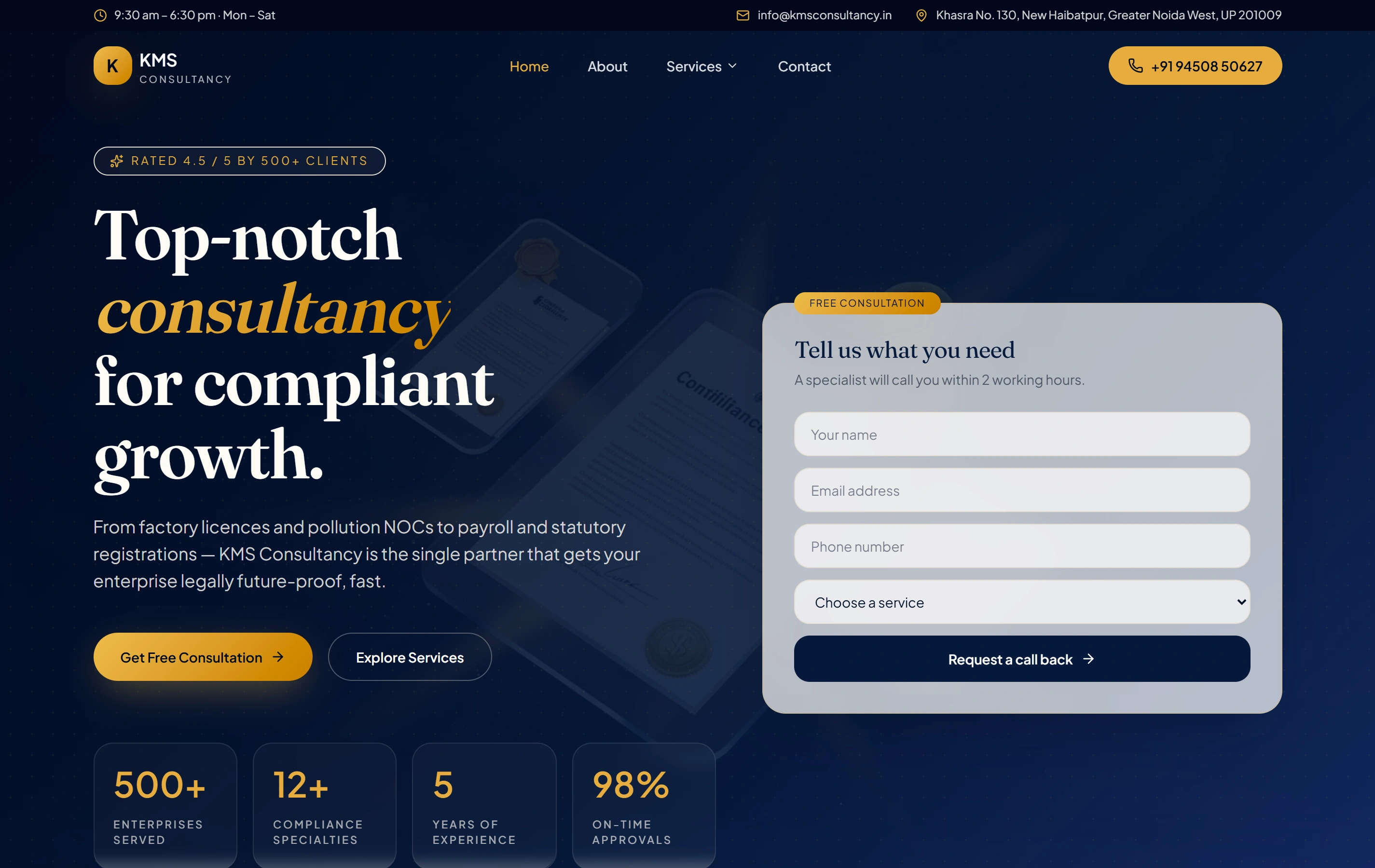
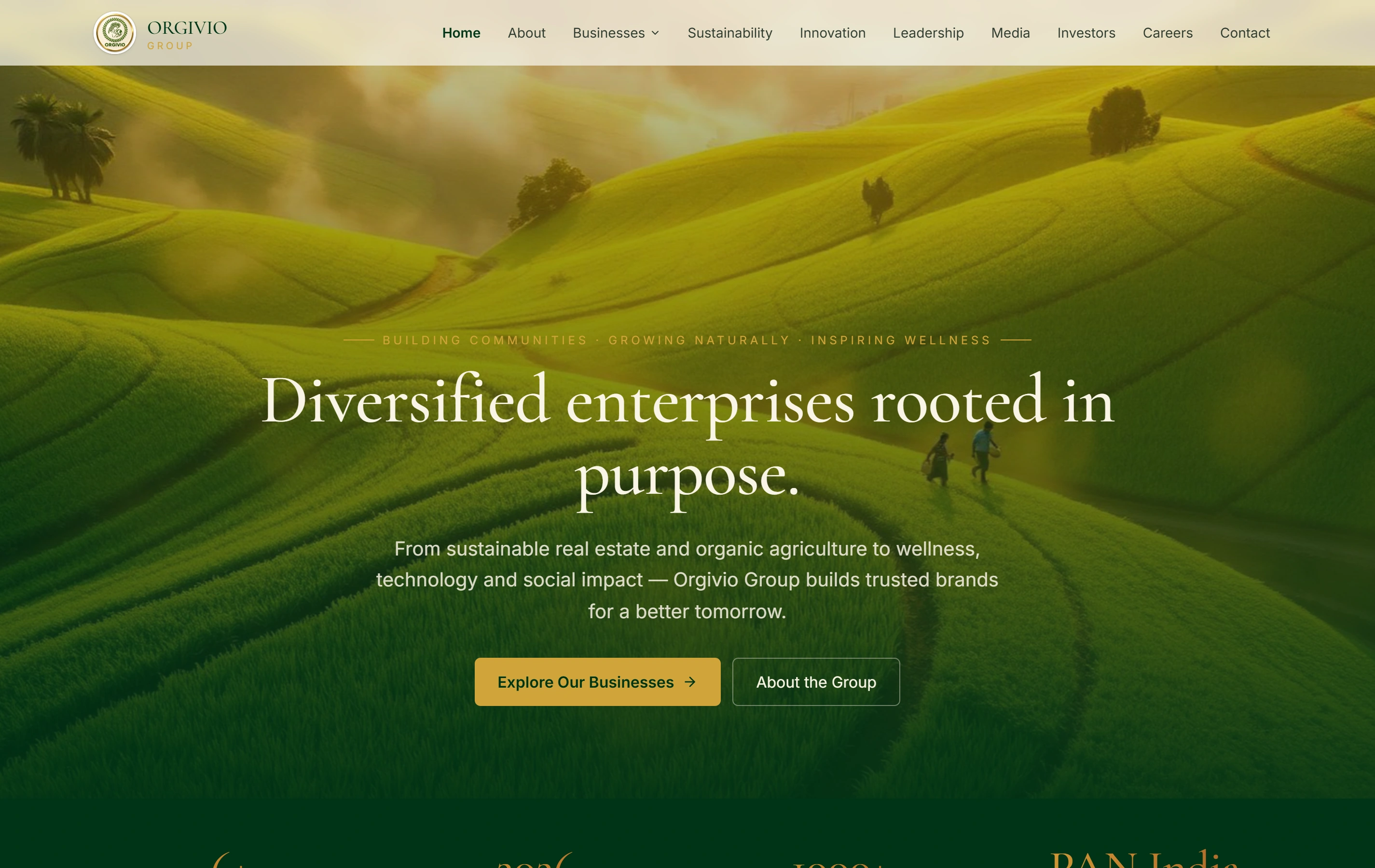
KMS Consultancy and Orgivio Group are actual website projects in the portfolio. They are examples of service and corporate information design, not claims that Softglimmer has already delivered a Bengaluru SaaS application.
Softglimmer works from Ranchi, India. Meetings, review deadlines, launch windows and support hours are agreed for your project.
01
Scope and ownership
Agree the audience, deliverables, approved content and account owners before implementation.
02
Review in your time zone
Use Asia/Kolkata and Asia/Kolkata for meeting invitations. Confirm seasonal clock changes where applicable.
03
Build and verify
Review the important journeys in staging, including mobile use, forms, editing and any scoped integrations.
04
Launch and hand over
Publish after the agreed checks, then provide the editing guidance and technical handover included in the scope.
Questions before we begin.
Useful details about scope, location and working together.
Do you have an office in Bengaluru?
Our office is in Bariatu, Ranchi, Jharkhand, India 834009. We serve Bengaluru remotely. This page describes a service area, not a local branch.
Can you collaborate with our existing developers?
Yes. We can agree a bounded design or development scope, the review environment and the handover format. Repository access, coding conventions and release responsibilities are defined before implementation begins.
What does a project cost and how long does it take?
We quote after reviewing the page or feature scope, content readiness, integrations and migration requirements. Platform fees, paid tools and ongoing support are identified separately. A fixed price or launch date needs an agreed brief.
Do you offer services beyond the ones highlighted here?
Yes. Our wider offer includes websites, ecommerce, software, apps, automation and practical AI systems. The service directory explains each category; we select what fits your requirement rather than adding every tool to a project.
No. We can scope sound technical foundations, useful content and measurement, but indexing and ranking are controlled by search engines. We assess progress using available search and enquiry data instead of promising a particular position.
Specialist services
Explore a focused project guide.
Go deeper into the decisions and deliverables for your type of project.