
Skip to content
Digital services for Canberra

Plan for the conditions. Keep the task understandable.

Softglimmer can plan and build websites, ecommerce, software, apps, automation and practical AI for Canberra teams. We consider the devices, content and connection conditions in which the chosen task needs to work, then define the appropriate scope. Delivery is remote from our Ranchi studio, with representative reviews, clear dependencies and an operating handover agreed with your team.

Explore our work
Choose the work around the useful outcome.
  1. 01

    Describe the conditions

    Identify the devices and task context.

  2. 02

    Choose the content and features

    Prioritise what helps the person complete the task.

  3. 03

    Review the complete journey

    Include waiting, failure and a useful next step.

An example journey, shaped around your requirements.

The project should suit the conditions in which the task is performed.

A public page, an online store and a staff application rely on different information and connections. A visitor may need to read the service details while media is still loading; an operating action may need a current response from another system before it can continue. Those requirements should influence the content, interface and technical scope.

We can review an existing website or process, or plan a new commission across design and development. Discovery identifies the task, likely devices, approved material and connected services. We then compare which features are useful, what must be available for the first release and what can be reduced or deferred.

Choose representative review conditions with the business owner. A slower phone or interrupted connection can reveal decisions hidden by an ideal demonstration. The scope should explain what remains available, what is still waiting and what the person can do after an error. It should not assume disconnected operation or a universal speed result.

Make device and connection conditions part of the project decision.

01

Prioritise the information needed now

Identify the content that helps someone understand the offer or complete the task. Review whether large images, video or additional controls support that purpose. Select the presentation around the actual need rather than filling every available area with media.

02

Define the connected and waiting states

List the actions that depend on a server or provider response. Agree how loading, failure and retry are explained and who resolves an uncertain outcome. Offline behaviour requires its own explicit requirements; it is not implied by a responsive layout.

03

Choose meaningful review conditions

Agree representative devices, content and connection conditions for the selected journeys. Follow the task through completion or a clear stopped state. Record what the review demonstrates and what remains outside its scope instead of generalising from one fast demonstration.

A defined task, a reviewed implementation and a useful handover.

01

A scope and conditions brief

Map the audience, important task, essential information and connected dependencies. Name the devices and review conditions relevant to the first release, with deferred features and unresolved questions visible.

02

Reviewed design and development

Assess real content and complete task states before extending the build. The proposal identifies pages, interfaces, editing controls and selected connections, including the behaviour agreed for waiting and unsuccessful requests.

03

Operating and maintenance guidance

Explain content or media updates, support responsibilities and the owner of a failed connection. Record the agreed acceptance observations and limitations so future changes can be reviewed against the same useful task.

An optional example: essential service information waits behind media.

Imagine a service page whose main explanation and contact route only become available after a large visual finishes loading. Under an agreed slower-phone review condition, a visitor cannot tell whether there is useful information to read. The project could reconsider the media, keep essential content available earlier and explain the waiting or failed state. Follow the enquiry task after that decision rather than judging the page by the first animation. This is a hypothetical design example, not a claim about Canberra connectivity or a guaranteed performance improvement.

Bring the task, the content and the conditions worth reviewing.

Share the current website or tools, approved material and a representative customer or staff journey. Identify the devices your audience needs to use and the actions that depend on current external information. If the first discussion relies on assumptions about connectivity or usage, record them as questions to investigate rather than local facts.

Softglimmer works from Ranchi. For Canberra reviews, use dated invitations with Australia/Sydney and Asia/Kolkata and agree the feedback window. Consolidate decisions through a nominated approver. Before release, follow the agreed task under the selected conditions, review its loading, error and retry explanations and demonstrate the intended content-update routine. Document support, provider and future-change responsibilities in the handover.

Genuine public website journeys to discuss.

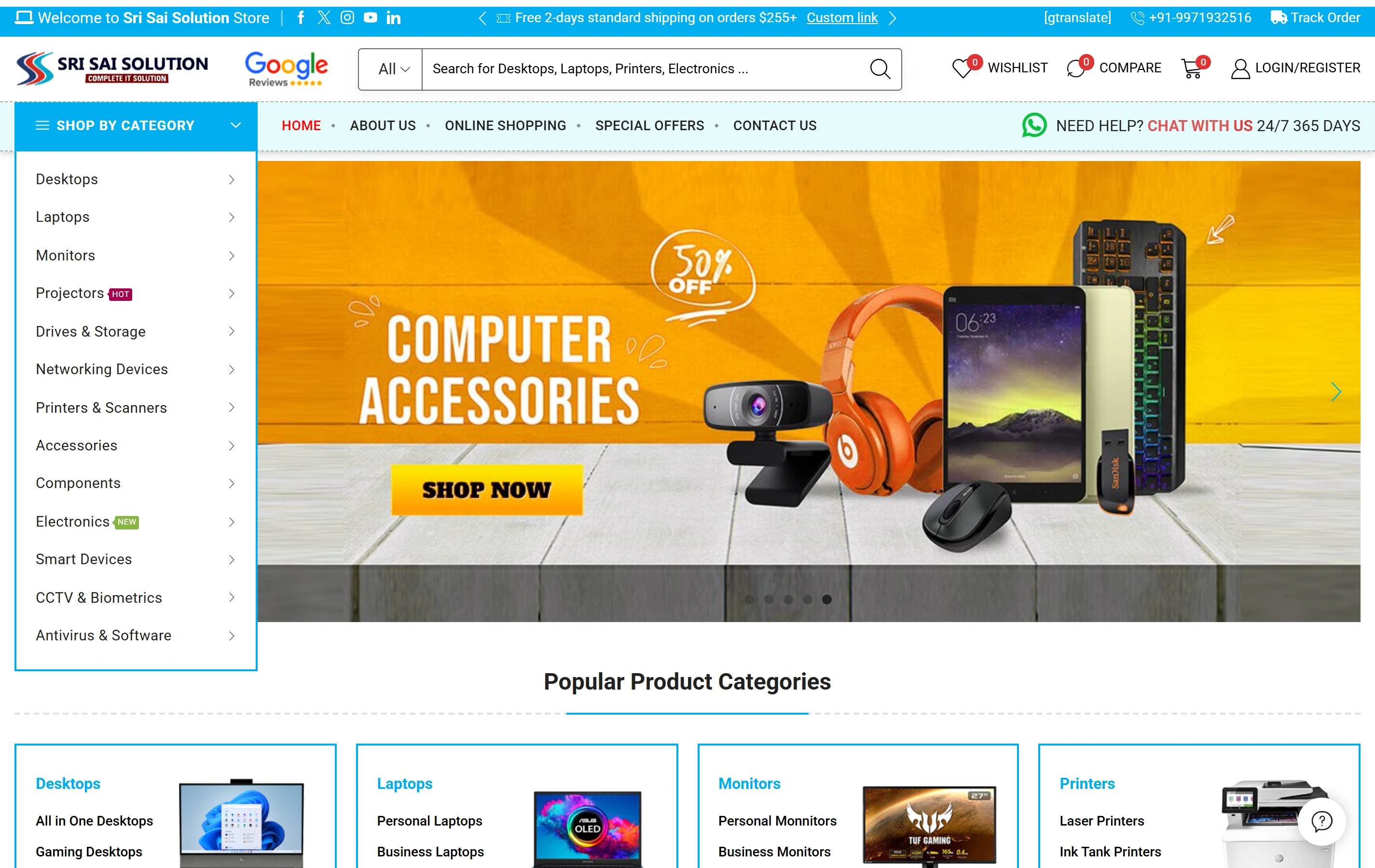
Sri Sai Solution presents product categories, catalogue search and online shopping. Kiran Traders organises B2B service information and procurement enquiries. These documented websites can inform a discussion about useful public journeys. They do not establish Canberra clients, tested slow-network behaviour, offline capability or a particular speed result.

Questions before choosing the Canberra project scope.

Do you have a Canberra office?

Our studio is in Ranchi, India. We can discuss a remote commission with your Canberra contacts through agreed reviews and written approvals. No local office or specialist statutory expertise is represented by this guide.

Does a mobile layout mean the task works offline?

No. Responsive presentation and disconnected behaviour are different requirements. Define which information or action needs a live response and whether any offline task is actually in scope. Do not infer that capability from the way a page fits a phone.

How do we choose the review conditions?

Start with the intended users, devices, content and connected tasks. Agree representative conditions and the expected successful or stopped states. Keep observations tied to that review rather than treating them as a universal performance guarantee.

What should the first proposal explain?

It should describe the useful outcome, content and feature choices, included design and build work, required inputs and review conditions. Make provider dependencies, handover and recurring responsibilities explicit so your team can compare the complete commission.