
Skip to content
Website design and development for Canberra

Make the offer clear. Make the choices meaningful.

Softglimmer plans, designs and develops business websites for Canberra teams. We connect readable service information, responsive layouts, genuine work and practical enquiry routes, with CMS editing agreed around your team. A first site, a focused improvement or a redesign can be scoped from the actual need. Our Ranchi studio delivers remotely through defined reviews and written approvals.

View website work
A complete website, with service detail people can compare.
  1. 01

    Explain the work

    State what the engagement delivers.

  2. 02

    Clarify the options

    Show useful differences before enquiry.

  3. 03

    Prepare the release

    Review pages, editing and contact.

An example journey, shaped around your requirements.

Design and development should deliver a usable business website.

The website needs to explain the business, give distinct services a useful place and help a prospective customer decide whether to start a conversation. We work from those information needs to the page plan, visual system and implementation. The scope can include company, service and work pages, contact functions and the content controls required to maintain them.

For a new site, we identify the material and essential pages ready for the first release. For an existing website, we review what remains accurate and useful before choosing a focused change or rebuild. Current URLs, real imagery and working connections are part of that discussion.

You receive an agreed design and development commission with reviewable outputs. Branding, translation, ecommerce or private software can be considered when needed, with their dependencies made explicit. A polished page should not conceal an undefined feature, missing content or an additional operating system assumed to be included.
Specify the website from structure to launch.

These areas form the proposed scope; the final page set and connections follow your brief.

01

Audience and information structure

Identify customer questions, company context and distinct service pages. Agree the content sources and the choices the reader should be able to make.

02

Custom responsive layouts

Create a coherent visual direction and reusable page sections. Review representative text, comparison detail and calls to action at different screen sizes.

03

Implemented website templates

Develop the approved page types and interactions. Include navigation, relevant page states and working links rather than accepting an isolated homepage design.

04

Content and media editing

Choose CMS controls for descriptions, images, work and metadata. Explain shared facts and demonstrate an ordinary draft, preview and approved update.

05

Enquiry and contact functions

Agree the destination, useful visitor context and confirmation wording. Review validation and the actual receipt boundary for the included contact routes.

06

Search foundations and release review

Prepare agreed page metadata, canonical URLs, internal links and sitemap entries. Include migration decisions, a launch checklist and practical handover instructions.

Give alternatives a useful basis for comparison.

The layout should explain the offer rather than invent equivalence between different kinds of work.

01

Name the output, not just the package

Describe what the customer receives, the intended situation and the main exclusions. An appealing package name can introduce an offer, but should not be the only way to understand it. Use the business’s approved distinctions.

02

Distinguish alternatives from stages

Two services may solve the same need differently, or one may be a prerequisite for another. State that relationship. A visitor should not be asked to choose between two equal-looking cards when the second decision depends on findings from the first.

03

Compare only meaningful attributes

Use common headings where the facts are genuinely comparable, such as the delivered material or required customer input. Where a service varies by brief, explain what must be discussed. A blank cell or decorative tick should not imply a commitment.

Maintain the service facts behind the presentation.

A comparison view and its detailed service pages should use the same approved information. The content model can identify shared labels and facts while leaving room for each offer’s explanation. Decide which information belongs in structured fields and which needs reviewed page copy.

Ask the future editor to revise an included output in a draft and inspect every in-scope view that uses it. Check the wording on a narrow layout as well as a larger screen. Publication approval, accidental-change recovery and technical settings need a clear routine. Adding a CMS does not remove the business’s responsibility for its published offer.

Move from an agreed offer to a reviewed release.

Schedule dated Australia/Sydney and Asia/Kolkata invitations with your Canberra contacts. Agree who consolidates decisions and when content must be ready.

  1. 01

    Brief the actual business

    Share services, existing pages, brand assets and customer questions. Define the first website release and the unresolved inputs.

  2. 02

    Review representative pages

    Assess the visual direction with one straightforward offer and one with more detail. Resolve unclear descriptions before extending the templates.

  3. 03

    Develop the agreed journeys

    Build the website and check the page relationships, editing workflow and contact actions using representative material. Retain useful existing routes as agreed.

  4. 04

    Approve launch and handover

    Review the release checklist and receiving owners. Demonstrate routine content changes and record support, hosting and later technical responsibilities.

An optional example: the cards look like alternatives, but the work is sequential.

Imagine a service business offering an initial assessment and a later implementation engagement. The website shows them as two similarly styled packages with a button under each. It does not explain that the implementation scope is defined after the assessment.

The page could explain the purpose and output of the first engagement, then describe how a later proposal is decided. If other customers can start with an existing assessment, that route needs its own approved explanation. The design should represent the actual buying choices rather than force every offer into one comparison table.

This is a hypothetical website-content example, not a Canberra client or an assertion that all service engagements follow this sequence.

Real websites with service information to explore.

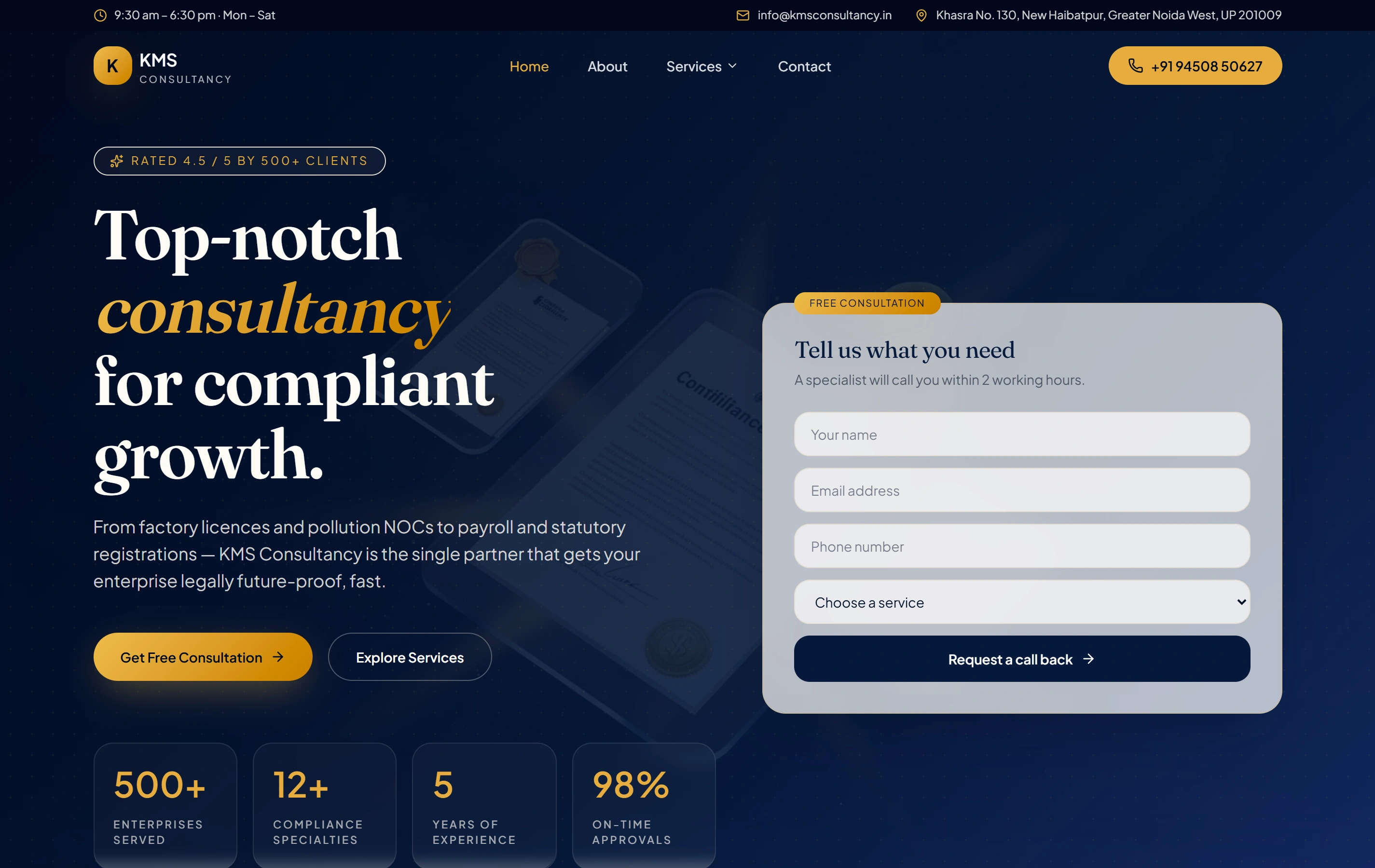
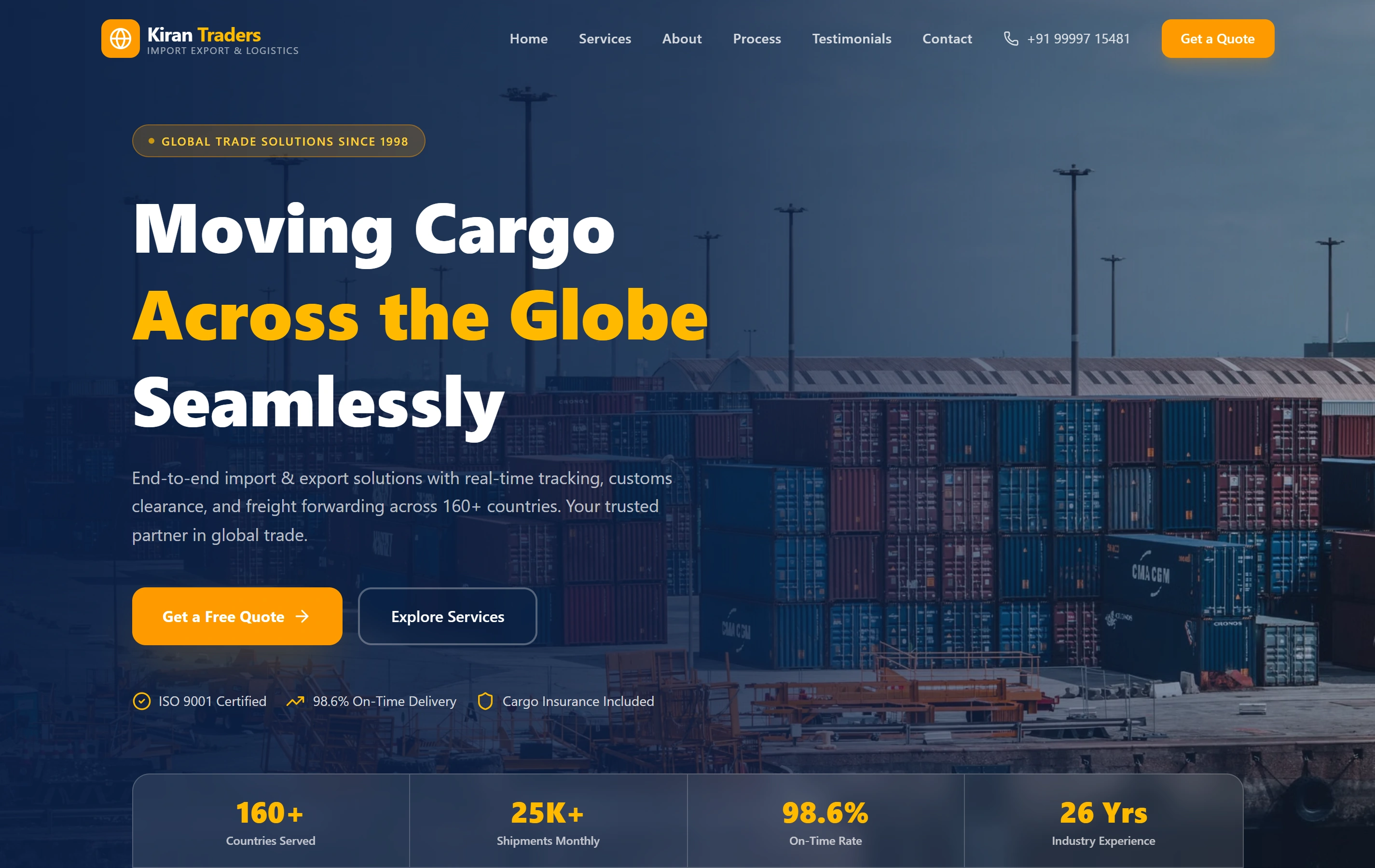
KMS Consultancy presents a structured service catalogue and consultation enquiry path. Kiran Traders organises B2B service information and procurement enquiries. They are documented public website references. Neither entry establishes Canberra client work, the example package sequence or a commercial result.

Questions before commissioning the Canberra website.

Where is the website team based?

Softglimmer’s studio is in Ranchi, India. Canberra is a remote service area. We agree review times, written approvals and project responsibilities with your nominated contacts; this page does not represent an Australian office.

Does every service website need a comparison table?

No. A clear overview and distinct service pages may be more useful. A table is considered when the business has meaningful common attributes and can maintain them accurately. The information should determine the format.

Can you work with our existing content and website?

Yes, after reviewing what is available and approved. We distinguish retained material, rewritten content and missing inputs, then propose a focused improvement or redesign with URL and connection decisions recorded.

What happens after launch?

The scope includes the agreed editing handover and identifies technical and support responsibilities. Ongoing care, new features and external subscriptions need their own arrangements. Search foundations support discovery but do not guarantee rankings or a particular level of business.