
Skip to content
Brand Identity & Launch Kit for Kolkata

Give the business a clear, usable identity.

Softglimmer plans and designs brand identities for Kolkata businesses, connecting positioning, logo direction, colour, typography and the materials your team uses. We can refine an existing identity or develop an agreed new direction, with practical guidelines and launch assets. Our studio is in Ranchi; discovery, design reviews and handover are delivered remotely with your nominated approver.

Explore the service
An identity your team can recognise, explain and use.
  1. 01

    Define the direction

    Begin with the actual offer and audience.

  2. 02

    Design the system

    Connect the mark, type, colour and visual language.

  3. 03

    Prepare everyday use

    Agree assets, guidance and handover.

An example journey, shaped around your requirements.

Commission a coherent identity, with the materials needed to use it.

An identity gives the business a consistent way to introduce itself across its website, proposals, social profiles and other agreed materials. The work starts with what the business offers, who needs to understand it and which existing recognition is useful. Visual direction follows that brief rather than an arbitrary set of logo styles.

The commission can include discovery, logo or wordmark direction, colour and typography, supporting visual conventions, practical voice guidance and a defined launch kit. Existing brand assets may remain useful. We identify what needs refinement, what is missing and which applications matter for the first release.

A visual identity, naming exercise, complete website build and ongoing content production are different tasks. They can be connected where needed, with their outputs listed in the proposal. Your team approves the business facts and chosen positioning; design should communicate that offer without inventing a history, qualification or market-leading claim.
Agree the identity outputs before selecting a direction.

The final proposal identifies the materials, formats and review rounds included.

01

Positioning and discovery brief

Review the audience, offer, existing identity and practical uses. Establish the message the design needs to support and the material supplied by the business.

02

Logo and wordmark direction

Develop or refine the agreed mark and relevant lockups. Review the selected direction in the actual applications before preparing the approved variations.

03

Colour and typography system

Define a usable hierarchy of colours and text styles. Include relevant backgrounds, heading lengths and everyday document needs in the design review.

04

Visual and voice guidance

Set supporting layout, imagery and icon conventions. Where included, explain useful voice principles with examples suited to the agreed communication purposes.

05

Selected launch materials

Prepare the specified starter assets, such as social treatments, a presentation or proposal template and website guidance. The scope names editable formats and finished exports.

06

Asset and usage handover

Deliver the agreed masters, exports and guidelines. Identify third-party font or image licence requirements and who obtains them; document ordinary use and protected design choices.

Choose the amount of change the business needs.

01

Refine the existing identity

Keep a familiar mark when it still represents the business accurately. Resolve inconsistent type, colour, layouts or applications without assuming that recognition must be discarded. Changes to the mark itself remain an explicit decision.

02

Develop a new identity direction

Use an approved positioning brief to guide a new visual system. Agree who can settle competing preferences and how a direction will be assessed in representative materials, rather than choosing only from isolated logo previews.

03

Extend the system into useful materials

An established identity may need a better proposal, launch asset or website application. List the selected outputs and the tools used by their editors. A starter kit does not automatically include every future campaign or printed production file.

Keep the voice recognisable while respecting the message’s purpose.

Brand voice guidance can help people write consistently, but it should leave room for the work a message has to do. An announcement, a proposal introduction and a practical instruction require different amounts of detail. Tone should not obscure what is being offered or what the reader needs to do next.

Where voice work is included, review ordinary passages alongside the visual design. Agree the useful principles, factual wording and limits of any example phrases. This is direction for the selected materials, not an automatic promise to write every page, campaign or customer response.

Review the identity in real uses before the final handover.

For Kolkata–Ranchi reviews, use dated Asia/Kolkata invitations and one person to consolidate feedback and approve the selected direction.

  1. 01

    Discover and define

    Bring the current identity, service information and commonly used materials. Agree the audience, outputs, approver and reasons for change.

  2. 02

    Explore and select

    Review proposed directions against the brief. Use representative applications to discuss clarity, recognition and fit before approving the design system.

  3. 03

    Develop the materials

    Apply the selected system to the agreed assets. Review real copy, formats and relevant sizes, with licence dependencies resolved by the responsible owner.

  4. 04

    Demonstrate ordinary use

    Let the nominated colleague prepare an ordinary document or asset with the supplied kit. Explain the files, guidance and route for later design changes.

An optional example: the same voice needs different room in a proposal and a launch post.

Imagine a business whose new voice guide says only “confident and friendly”. One colleague writes a short public launch post; another copies its lively opening into a detailed proposal, where it displaces the explanation of the service. The two materials may look consistent while doing different jobs poorly.

The identity brief can include a concise announcement example and a more informative proposal introduction. Both can use the same core character while retaining the facts each reader needs. The business approves the offer and claims before the wording becomes a reusable reference.

This is a hypothetical design exercise, not a Kolkata branding engagement or a statement about local businesses.

See the visual direction in real website work.

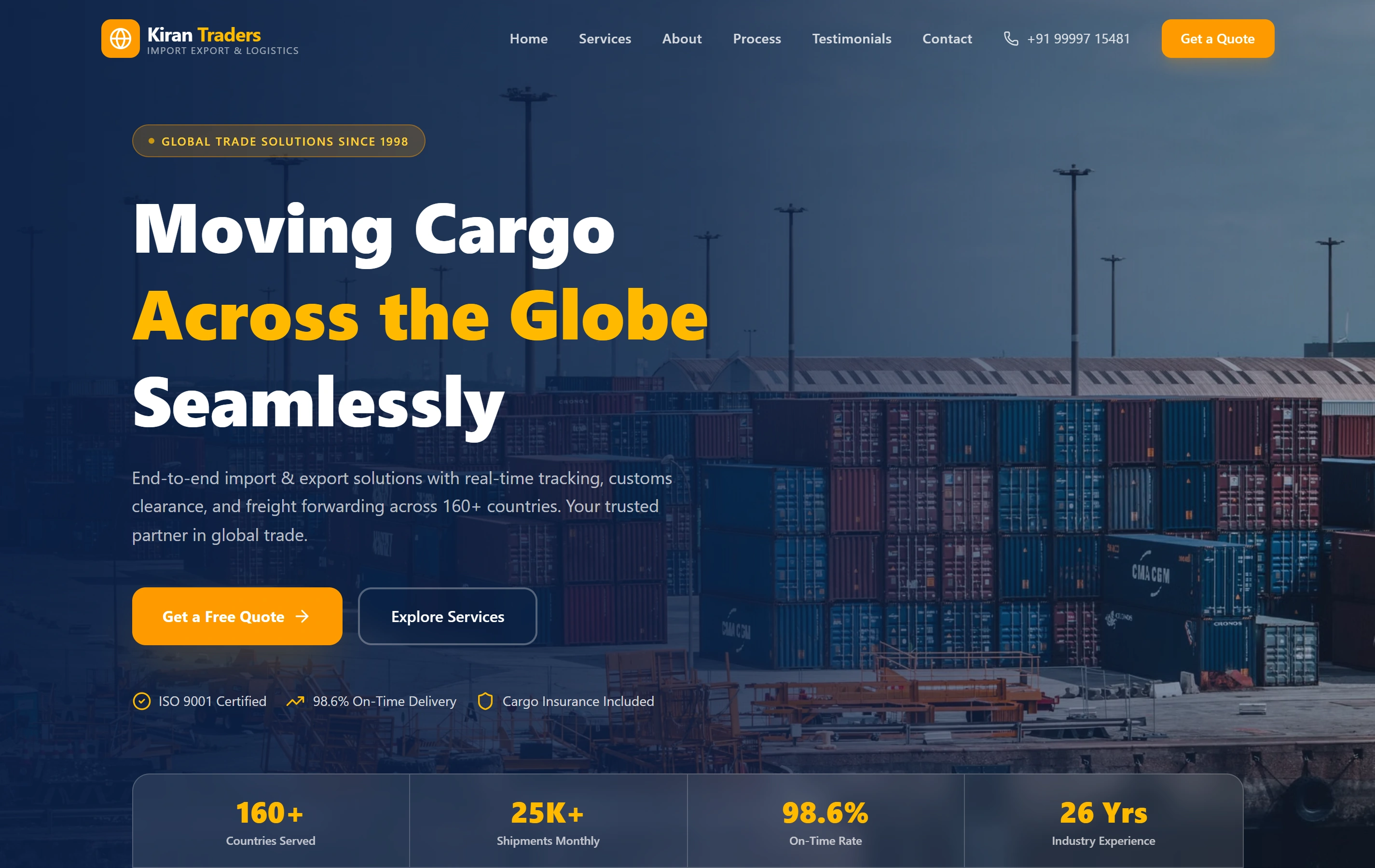
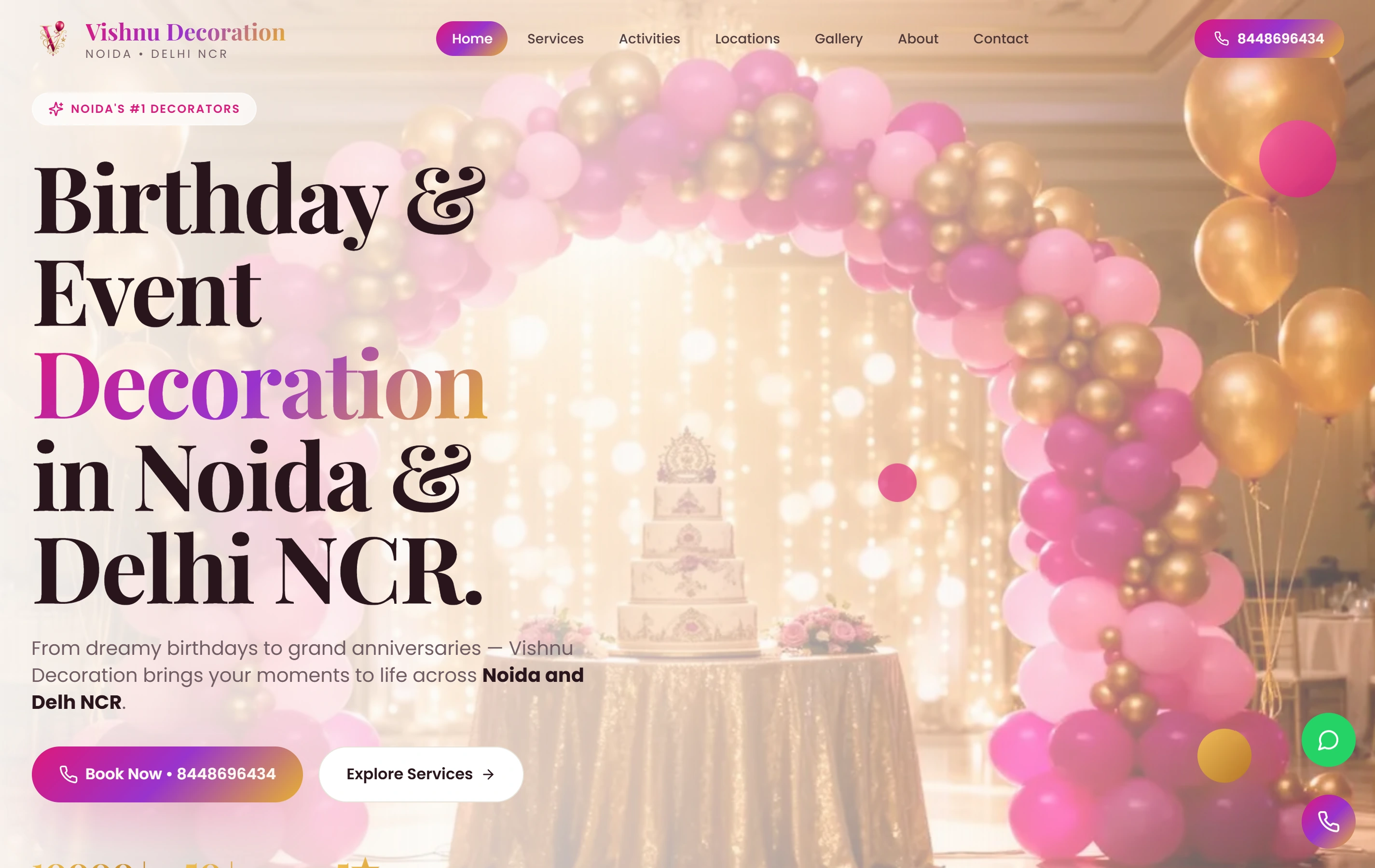
Explore Kiran Traders’ B2B service presentation and Vishnu Decoration’s event galleries. Their project pages describe these website commissions and offer useful visual references for an initial identity discussion.

Questions before commissioning the identity.

Are you based in Kolkata?

Our studio is in Ranchi, India. We can work remotely with your Kolkata team through agreed reviews and written approvals. This page describes a service area, not another office.

Must we replace the logo?

No. A suitable existing mark can remain while the scope addresses typography, colour, layouts and everyday materials. We review the actual need before recommending the amount of change.

Are naming, copy and website development included?

Only where specified. Naming, voice direction, copy production and website implementation have different deliverables. The proposal makes those responsibilities and any connected services explicit.

Which files and rights will we receive?

The agreement lists masters, exports, editable templates and usage guidance. Font, image and other third-party licences depend on the selected assets and must be identified before delivery. No blanket right to every external asset is implied.