
Skip to content
Liverpool · WordPress & CMS Development

Keep the website current. Keep its published history understandable.

Softglimmer offers WordPress and CMS development for Liverpool businesses through our Ranchi studio. We plan the information, design reusable pages and build editing controls around the updates your team actually makes. A useful website needs an understandable publishing model as well as a polished public face. For an organisation with people profiles and resources, changing who appears in the current directory should lead to deliberate decisions about the other pages that refer to them.

Liverpool service-area guide
A complete CMS website commission that distinguishes the current team directory from approved historical resource contributions.
  1. 01

    Model the information

    Separate people, current roles and approved contributions.

  2. 02

    Build for editors

    Rehearse changes across the pages using the same records.

  3. 03

    Agree the handover

    Name content approval, publication and technical care duties.

An example journey, shaped around your requirements.

Commission the website and the publishing arrangement together.

Start with the audiences, page types and ordinary publishing tasks. A small service site may need a few well-defined templates; a larger resource collection may need structured entries and relationships. We assess the existing material before recommending WordPress, another suitable CMS or changes to the current setup. The brief names responsive design, content preparation, included functions and the work required to move existing content.

For each collection, decide which facts belong to a single entry and where other pages refer to it. Give editors controls that reflect that distinction. A current role, a biography and a credit on an older publication can carry different meanings even when they refer to the same person. The business supplies approved facts and decides which personal information it is appropriate to publish.

The development scope includes the agreed templates, editing experience, previews, publication behaviour and representative checks. Migration adds an inventory of useful addresses, media and relationships, with an approved treatment for material being changed or retired. Training and technical ownership belong in the agreement from the beginning, so a normal content change is manageable after the build team hands over.
Illustrative example: a colleague leaves the current directory.

Imagine a business with a current team page and a resource library. One colleague leaves the team. An earlier approved guide still credits that person's contribution. Removing the person from the current team list and replacing every mention across the website would make two different editorial decisions at once. This is a hypothetical CMS exercise, not a Liverpool client story.

First agree the intended current-directory state. Then inspect the person's public profile, the resource credit, related cards and any links between them. The owner might retain an approved historical credit while removing a current-role label, revise a profile with suitable wording, or approve a different treatment. The developer should implement the selected rule rather than infer it from a delete button.

Rehearse the change with non-sensitive sample material. Preview the directory and affected resource together; publish the accepted version and inspect the ordinary visitor routes. Record the disposition of a link to an archived profile. Restoring a draft or rolling back a technical release should also have a clear effect on those relationships, without silently deciding the business's attribution policy.

Review each relationship in its own meaning.

Use an agreed sample entry to make the content model inspectable before the same controls are applied across the site.

Content locationEditorial decisionEditor or visitor checkUseful acceptance note
Current team directoryDecide who belongs in the current list and which role labels apply.Open the directory after the change and follow a remaining profile.Approved list membership and the intended public wording.
Earlier resource creditConfirm whether the contribution credit remains factually appropriate.Inspect the resource itself and any card displaying its attribution.Approved credit and the information owner who accepted it.
Profile addressChoose whether the old profile remains, changes or has another suitable destination.Try the shared address as an ordinary visitor.The selected treatment and its effect on existing links.
RestorationAgree which linked facts a restored version should change.Review the restored draft and the affected references before publication.A version-specific decision that does not overwrite unrelated current facts.

Agree the outputs and who accepts them.

01

Content model and templates

Receive an agreed inventory of entries, relationships and public templates. Include long names, missing portraits and resources with more than one credited contributor where relevant.

02

Responsive website build

Develop the approved page system, navigation and included enquiry or resource journeys. Connect only the functions and accounts actually included in the written scope.

03

Editing and migration work

Prepare the included content, mapping and media work. Demonstrate an ordinary edit and the directory-change exercise with the nominated editor before accepting the controls.

04

Operating handover

Document publication, access and technical ownership, plus the agreed update and recovery arrangement. Content approval remains with the business after handover.

Bring the next directory update, not only a list of features.

Share representative public profiles, a resource with a contribution credit and the current editing difficulty. Supply approved text and image permissions through the agreed project process; use redacted examples where personal information is unnecessary. Identify who can approve a present-day role and who owns historical resource wording. Existing URL lists, integrations and known publishing problems help us estimate the actual migration and build work.

For Liverpool reviews, use dated sessions labelled Europe/London and Asia/Kolkata. A nominated content owner can consolidate decisions against the page version under review, with the technical owner available for access and release questions.

Move from the brief to an agreed result.

  1. 01

    Discover and model

    Review the site, update tasks and content ownership. Agree the collections and relationship rules before deciding the implementation.

  2. 02

    Design and build

    Review representative layouts, then implement templates and controls with suitable sample entries. Track open content decisions separately from completed development.

  3. 03

    Rehearse and hand over

    Run the approved directory change and public-route checks. Accept migration, editor guidance and the release arrangement with the responsible owners.

Explore a documented public website.

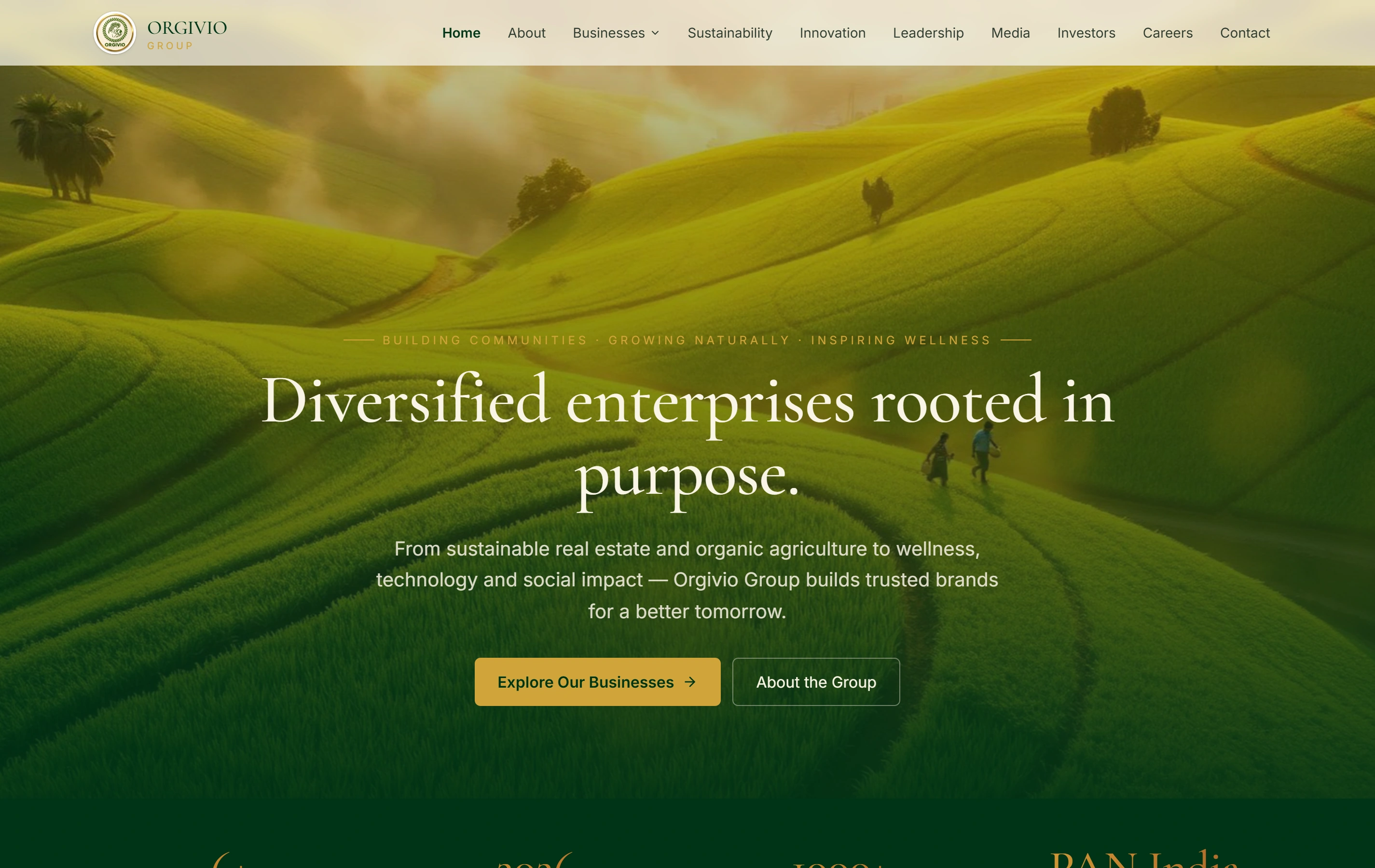
A corporate group website presenting its businesses, sustainability, leadership and stakeholder information. Use this public website reference to discuss information and presentation. The proposed wordpress & cms development commission has its own scope, implementation and acceptance requirements.

Group presentationOne recognisable company story
Business divisionsSpecific routes from the overview
Stakeholder informationSeveral audience needs
Orgivio Group websiteOrgivio Group

Questions about commissioning the work.

Does the project have to use WordPress?

We assess WordPress and other suitable CMS approaches against the editing tasks, hosting, design and maintenance requirements. The proposed platform and any continuing licences are named in the scope before implementation.

Can editors maintain profiles without changing older resources?

That behaviour can be specified through appropriate records and relationships. The business first decides what a directory change and a resource credit mean; we build and review the accepted rule in the selected CMS.

What is included when replacing an existing website?

The proposal identifies templates, content and media preparation, URL treatment, included connections and the migration effort. Approved changes made to the old site during the rebuild need an agreed reconciliation process.

How do we start a remote commission?

Send the public site, representative update tasks and the intended audience. Our Ranchi studio can then agree a discovery step, review arrangement and estimate with your Liverpool decision makers.