
Skip to content
Manchester · Mobile App Development

Mobile products with a useful reason to return.

Softglimmer develops mobile applications for Manchester businesses planning a customer product or a staff workflow. We scope the recurring task, platform choices, interfaces, backend and approved integrations together, with release and maintenance responsibilities made explicit. Delivery is remote from Ranchi. The loyalty example below shows why a mobile interface needs understandable business states. It is a hypothetical planning exercise, not a claim about an existing Manchester retail client, payment service or app-store result.

Explore Manchester
A mobile journey backed by an accountable operating model.
  1. 01

    Choose a useful task

    Define why the person should return to the app.

  2. 02

    Connect the right record

    Make backend ownership and confirmation explicit.

  3. 03

    Release and support

    Agree distribution, assistance and future updates.

An example journey, shaped around your requirements.

Decide why the task needs an app and what owns its data.

A mobile application should earn its place in the customer or staff journey. Repeated use, device capabilities, account context or a particular working environment may justify an app. Some requirements can be met more simply by improving a mobile website or connecting an existing product. We compare those options before treating an app download as the goal.

The agreed work can include discovery, product design, iOS or Android implementation, a selected shared-code approach, backend functions and an administrative interface. Platform and distribution choices depend on the intended users, device requirements, existing systems and the team that will operate the release. Integration feasibility and provider accounts need review before they become a delivery commitment.

An interface should explain the state of the business record it represents. A successful screen transition cannot by itself prove that an order, benefit, approval or account change was accepted by the responsible system. We define the authoritative record, the information shown on the device and the recovery path when the app cannot confirm the outcome. Those decisions form part of the software scope rather than being left as last-minute error messages.
Select the product boundary before selecting the technology.

The brief selects the engagement and the responsibilities it includes.

01

Improve the mobile web journey

A clear responsive website may meet the need where the task is occasional, public or easily completed through a link. Review the friction first instead of adding an installation requirement without a useful reason.

Discuss before build: What would an app make meaningfully easier?

02

Build a customer-facing application

Define the repeat-use value, account model and connections to existing business systems. Plan the support and administration needed to explain a customer's current state.

Discuss before build: Which system can confirm the result the user sees?

03

Develop a staff or partner tool

Map responsibilities, device access and the task staff need to complete. The app may need a different distribution, permission and operating arrangement from a public consumer product.

Discuss before build: Who maintains access and resolves interrupted work?

Include the operating product behind the mobile screens.

Agree the outputs and acceptance responsibilities in the written scope.

01

Product and platform brief

Identify the audience, recurring tasks, device requirements and reasons for the selected platform approach. Document assumptions that could change the scope.

A product boundary before the feature backlog.
02

Mobile journeys and interface states

Design the important tasks with realistic account, loading, unavailable and confirmation states. Review actual content and the information users need to continue.

A coherent interface rather than isolated screens.
03

Application implementation

Develop the agreed mobile product and its selected device capabilities. Keep platform-specific requirements visible in the plan and acceptance scope.

A build that supports the reviewed journeys.
04

Backend and administration

Define which system owns each record and the tools staff need to support users. Include permissions and correction responsibilities relevant to the application.

An accountable operating model.
05

Approved business connections

Review supported interfaces, accounts and provider responsibilities before implementing the selected links. Plan how staff recognise and recover a failed exchange.

Connections with a stated support boundary.
06

Release and maintenance handover

Agree distribution, testing, account ownership, monitoring and later update responsibilities. Submission or installation alone is not evidence of a complete customer journey.

A practical release and support plan.
Illustrative example, not a client case study

An illustrative loyalty benefit after an order changes.

A customer sees that an order contributes towards a loyalty benefit. Later, part of the order is returned. The app needs to explain what happened to the benefit without treating the phone's earlier display as the final business record.

The product could distinguish a benefit still being assessed, an available benefit and an adjustment that needs explanation. A help view might show which order event affected the result and where the customer can raise a question. If the device has not received a current response, it should not quietly present a previous balance as a newly confirmed one.

This is a hypothetical product scenario. The business must define its own loyalty rules, customer communications and approval responsibilities; we are not providing a promotion policy or asserting that a specific provider supports the required operation. The example helps scope the app, backend, support interface and test cases as one journey. It does not limit the service to loyalty applications.

Make a change understandable without exposing internal complexity.

01

Name the state the business can support

If a benefit is provisional, the interface should not call it available. Agree which event and responsible system determine each state, then use labels a customer can understand.

Discuss before build: What can the customer act on right now?

02

Show enough history for a useful question

A change should be explainable through the relevant order or adjustment context. Staff need an appropriate support view rather than asking the customer to reconstruct every screen they previously saw.

Discuss before build: Which information helps staff explain or correct the result?

03

Handle uncertainty separately from reversal

An unavailable connection does not necessarily mean a benefit was removed. Distinguish an unknown current result from an authorised adjustment and provide the appropriate next step.

Discuss before build: Is the outcome known, or is confirmation still missing?

Test the changed order as carefully as the successful first visit.

Review a normal order, a partial return, an adjustment and a temporary failure to retrieve the current benefit. The customer should understand the state, and the support team should have the information and permission needed for its next action. If repeating an action could create a duplicate request, its intended behaviour should be part of the implementation and acceptance brief.

Also rehearse installation or distribution, sign-in, account recovery and the selected device behaviours on representative devices. The release plan should identify who owns platform accounts and future updates. These checks apply to the agreed product and integrations; they do not establish provider approval, universal device compatibility or a promised number of app downloads.

Build the first useful product, including support and release.

Bring the task, user groups, existing systems and representative records. We can review them remotely from Ranchi with the Manchester product owner and agree the initial product, delivery assumptions and acceptance cases.

  1. 01

    Define the product need

    Compare an app with mobile web or existing tools, then identify the task and account context that justify the chosen approach.

    A reasoned product brief.
  2. 02

    Review the journey and system boundary

    Prototype the important states and decide which backend records and administrative tools they depend on.

    A design and integration scope.
  3. 03

    Develop and rehearse the cases

    Build the agreed product and demonstrate normal, changed and unavailable outcomes with representative test records.

    Reviewable application behaviour.
  4. 04

    Release with ownership

    Agree the distribution steps, account access, support route and maintenance responsibilities before the release is called complete.

    An operating handover.

A real project reference with a clear scope.

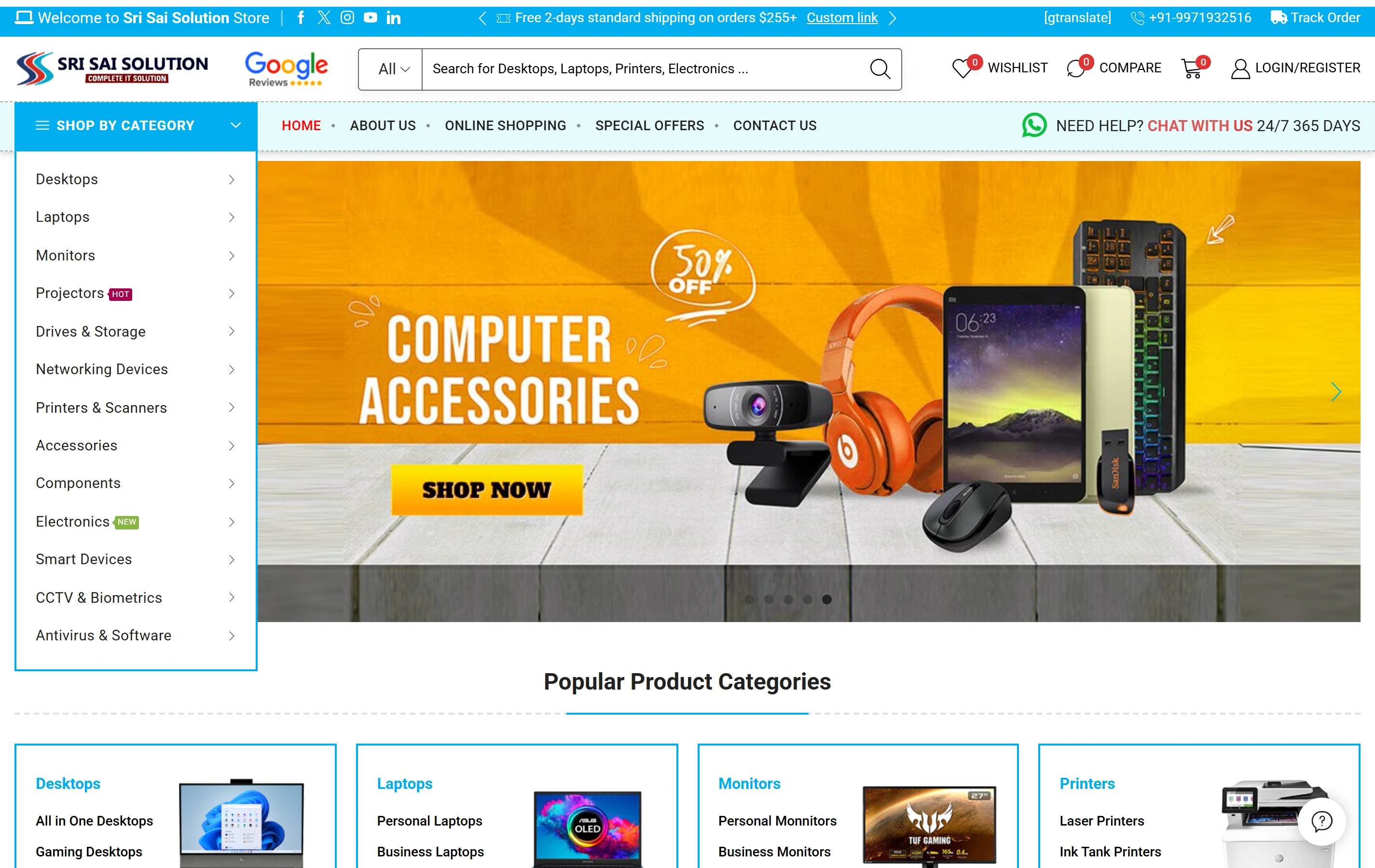
Sri Sai Solution is documented in our portfolio as a retail and ecommerce website. It is relevant to discussing product information and shopping context; it is not evidence of a Manchester loyalty app, a mobile backend or a payment integration result.

Electronics catalogueA focused retail offering
Product discoveryDifferent ways to find a product
Shopping experienceStorefront presentation
Sri Sai Solution websiteSri Sai Solution

Questions before commissioning the work.

Can an app connect to our present order or CRM system?

We can inspect the supported interfaces, account access and data responsibilities before confirming the integration. Some requirements may be met through configuration; others may need a backend component or a different boundary. A familiar product name alone does not establish compatibility.

Will you choose native or shared-code development?

We compare the intended devices, required capabilities, user experience and maintenance needs. The selected approach and trade-offs belong in the brief. There is no single answer for every product, and the choice should not be based only on a demonstration screen.

Does remote delivery mean we need a technical product manager?

A nominated person should own the business decisions and feedback. We can make the scope and demonstrations understandable without assuming they write code. Access to the relevant technical or provider contacts is still useful where an existing system constrains the product.