
Skip to content
Website Design & Digital Services for Bhopal

Explain the next available step.

Softglimmer offers website design and development for Bhopal businesses and organisations, alongside CMS, ecommerce, software, apps, automation and AI planning. Our studio is in Ranchi, and we work remotely with your owners. Start with accurate public information and the action visitors can actually take, then agree the build scope and operating handover.

Explore our work
Plan the first useful project.
  1. 01

    Confirm the public state

    Explain what is open, pending or available for enquiry.

  2. 02

    Design the next step

    Collect the context needed for the real decision.

  3. 03

    Review the handover

    Check the visitor request and responsible owner together.

An example journey, shaped around your requirements.

Set the scope around public information and the work behind it.

A website can help visitors understand services, programmes or products and begin an informed conversation. A CMS lets an authorised editor maintain recurring information. A portal, app or custom system can support a deeper operating task, while ecommerce and automation have their own requirements. We review these options before deciding which combination belongs in your first phase.

Share the current pages, intended users and one representative request. We can propose design and development work with named outputs, required inputs and a written estimate. The scope identifies who supplies public facts, who approves a release and who handles the request afterwards. A visible enquiry action should describe the result it actually begins, rather than implying a confirmed service or place.
A hypothetical working example

Interest is welcome, but applications have not opened yet.

Consider a hypothetical Bhopal training provider preparing a forthcoming course. Visitors can ask for information, but applications are not yet open and places are not confirmed. The website needs to explain those states, collect a proportionate interest request and leave staff with a clear next action. If later stages need applicant review or access to private material, they can be separately scoped as a portal or software workflow. This is a planning example, not a Bhopal client or an admissions-system claim.

Use an action that matches the available decision

An interest request, an application and a confirmed place answer different questions. Agree the public wording and the owner who can change the state. A page can remain useful while a future start date is undecided, provided it explains what the visitor can request now. Do not make a generic success message sound like an acceptance decision.

Carry enough context into the human review

The receiving team may need the programme or service reference, preferred contact route and a useful question. Decide which details are required for the first conversation and which belong later. A staff process should identify the responsible owner and what to do with a request for a different intake or service.

A practical scope example.
  1. 01

    Confirm the public state

    Explain what is open, pending or available for enquiry.

  2. 02

    Design the next step

    Collect the context needed for the real decision.

  3. 03

    Review the handover

    Check the visitor request and responsible owner together.

Illustrative planning sequence; not a local client case study.

Decisions to settle before building the wider journey.

01

Public page, CMS or private portal

A clear public page may resolve the first problem. If the same facts change regularly, scope an editing model and approval process. A private portal becomes a separate requirement when users need access to their own records or later-stage actions. Review those needs without assuming every public enquiry needs an account.

02

Accurate dates and status labels

Identify which dates are confirmed and which are indicative. Keep the public state and next step aligned when the business changes them. The project should include a pending, open and closed example if those are real states. The organisation’s owner supplies the meanings; the interface makes them understandable.

03

Labels that distinguish the first request

W3C recommends form labels that describe their associated controls. Apply this to a programme preference or service question, then review the specific wording with the receiving team. A preferred date field must not look like a confirmed appointment, and an optional question should remain recognisable as optional.

04

Ownership after the request arrives

Decide who receives the enquiry, who may change its state and how an unusual request is reviewed. Automated communication or software integration is an additional scope with prerequisites. The first phase can use a clear website enquiry and an accountable human process while those requirements are settled.

A complete first journey with named responsibilities.

01

Information and state brief

The approved public facts, the available visitor action and the recurring updates within scope. It records the owner of each status or date and identifies uncertain information that should not be presented as confirmed. The brief includes the genuine proof available for the public page.

02

Reviewed design and agreed build

Page or CMS designs, relevant alternative states and the commissioned development work. Any later portal or operating system is identified separately with its record and access needs. Acceptance checks follow the visitor’s real action through to the responsible team.

03

Editing and operating handover

A demonstrated everyday update, a correction or recovery task and the agreed enquiry handling responsibilities. The handover explains what each public confirmation means and who makes the next business decision. Continuing support and new stages can be separately commissioned.

Check what the visitor believes the form has completed.

Bring approved information for one programme or service and show the request currently received by staff. Identify a future date that remains uncertain and an example of a visitor asking about a different option. Use those cases to review the public wording and the staff handover before extending the feature list.

Your Bhopal team and our Ranchi studio can organise remote reviews using India time, with written approval for the relevant public facts. Ask the intended editor to change the example from pending to open, then inspect the action and confirmation wording. The person handling the request should be able to explain what was supplied and what decision remains.

Only then decide whether a wider CMS, private portal, mobile app or automation belongs in the next phase. The chosen service should solve an observed task and have named deliverables. The page’s usefulness comes from a clear offer and an honest next step, supported by an operating process that the organisation can maintain.

Real public-information journeys to inspect.

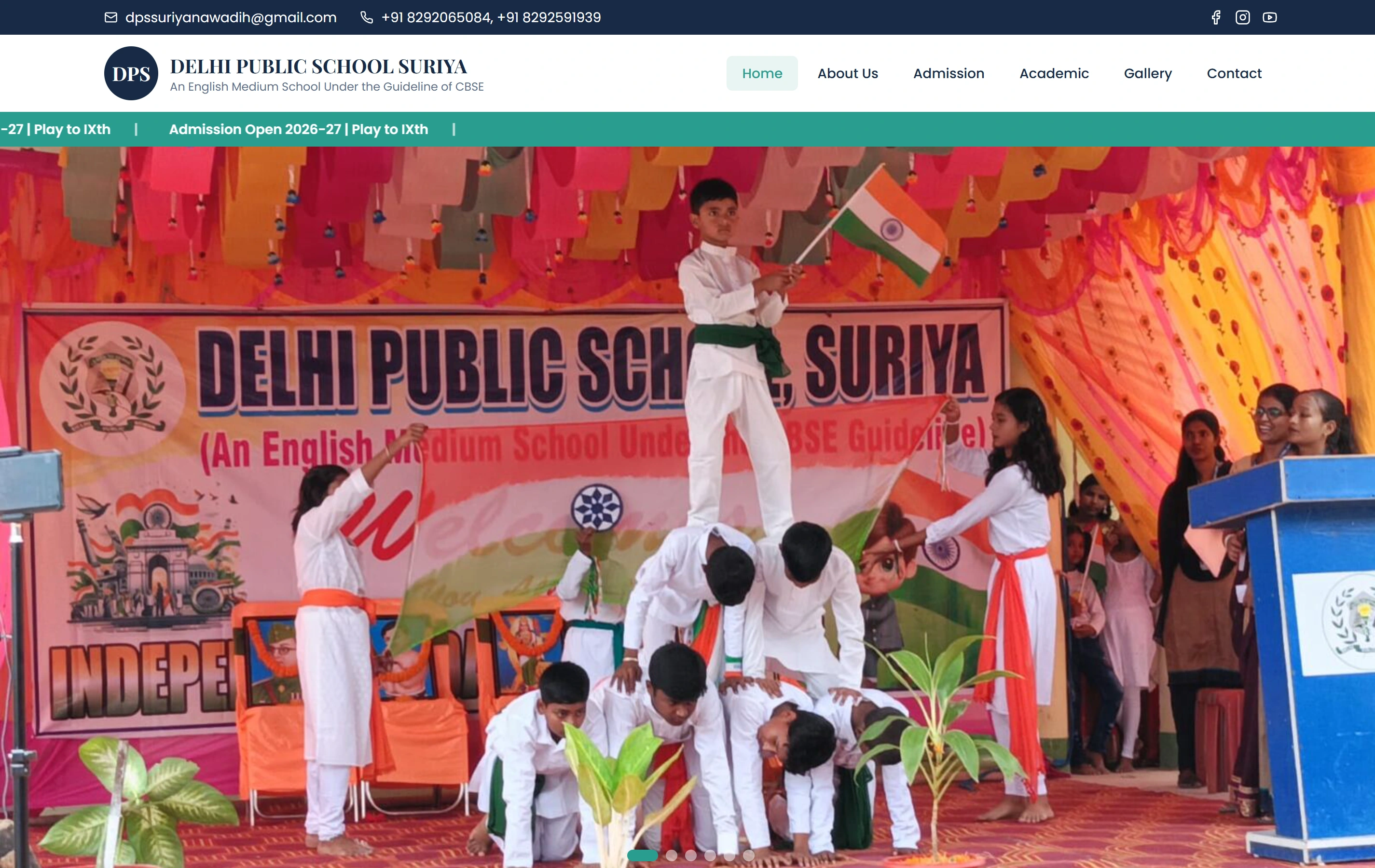
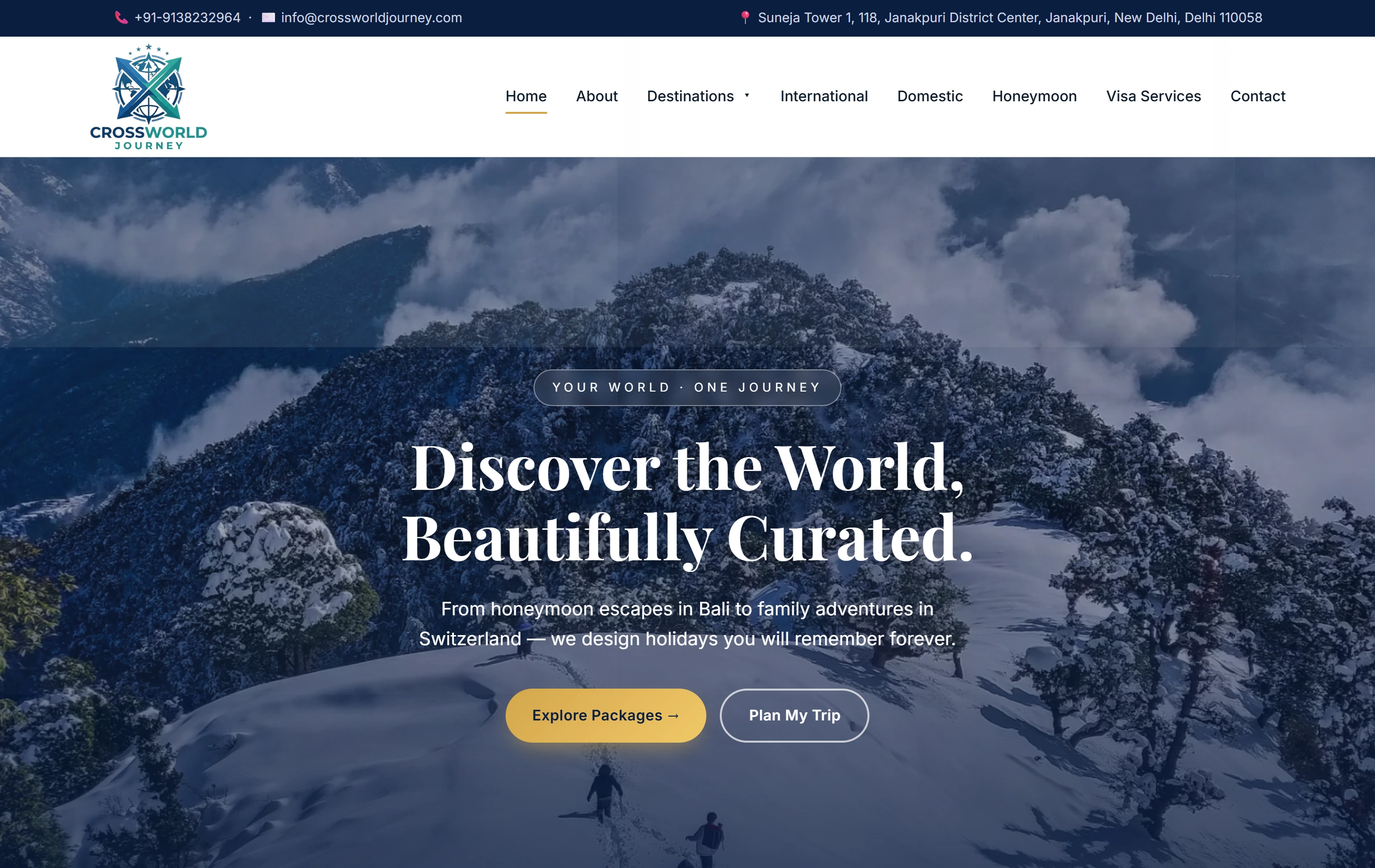
Delhi Public School, Suriya has a school website presenting campus and admission information. Crossworld Journey presents holiday packages, destinations and trip enquiry paths. These are genuine website examples of helping visitors understand an option before contacting a team. They are not Bhopal client claims or evidence of a delivered intake, application or booking backend.

Project questions.

Can we start with public information before a private portal?

Yes. The first phase can explain the offer and receive a useful enquiry. A later private journey needs its own records, roles and access decisions, which can be scoped when your operating requirements are clear.

Can the website show that a date is still being planned?

Yes, if the wording and available next step reflect the approved state. The owner should supply the public meaning and confirm when it changes. We review the alternative states as part of the page or CMS scope.

Does submitting an interest form confirm a place or service?

Only an actual authorised process can make that decision. The form and its confirmation should explain the request they complete. A first enquiry should not be presented as a confirmed place, booking or acceptance.

Where will the Bhopal project team work?

Softglimmer is based in Ranchi. We can review and deliver the agreed work remotely with your Bhopal owners, with written decisions and a demonstrated handover. No separate Bhopal office is claimed.