
Skip to content
Website Design & Development

A clear business website, with evidence you can stand behind.

Softglimmer designs and develops business websites for Kanpur teams, connecting useful service information, responsive presentation, CMS editing and contact journeys. We help choose the pages and materials needed for an understandable public offer, then implement the agreed site and handover. Delivery is remote from our Ranchi studio. Business facts and publishable evidence are approved with your nominated owners, rather than invented to complete a layout.

Explore the website scope
A usable website without unsupported proof or hidden content gaps.
  1. 01

    Describe the service

    Explain the work the business actually offers.

  2. 02

    Choose useful evidence

    Present approved material for the scope it demonstrates.

  3. 03

    Build and maintain

    Connect the pages, enquiry route and content controls.

An example journey, shaped around your requirements.

A complete website commission

Commission the website around the information you can approve.

A first website or redesign can include discovery, page planning, visual design, responsive development and practical content management. We review the service range, intended audience and questions a prospective customer needs answered. Company context, process information, genuine work and an enquiry route then have a clear place in the site.

Not every business begins with a finished case-study library. The content plan should distinguish approved public information from material still awaiting permission or factual review. That helps determine a useful first release without treating every empty space as a demand for another client logo or a stronger claim.

The commission still covers a complete website: developed pages, chosen CMS controls, contact functions and launch foundations. An existing site also needs preservation decisions for useful content and destinations. The optional evidence example below does not limit the work to portfolio design, and private software or store functionality remains a separately defined requirement.
Choose the starting point

Select the website work around the present situation.

We agree the useful release, required material and scope of change.

01

Build a first business website

Start from the approved offer, company facts and available assets. Establish enough useful service information for a visitor to assess the business, with content gaps assigned to the right person.

02

Improve the current explanation

Inspect existing pages, claims and contact journeys. A focused content or interface change may be useful without a full replacement, especially where the present website already serves ordinary visitor tasks.

03

Redesign and preserve

Review current routes, approved material, forms and accounts. Develop the new presentation alongside explicit retention, correction and migration decisions, rather than discard useful information with the old layout.

What the proposal can include

Agree what the full website project will deliver.

The selected outputs and review responsibilities belong in the written proposal.

01

Audience and content architecture

Map the services, company information and next steps. Record what each page needs to explain, which material is ready and who can resolve a missing or uncertain fact.

02

Responsive visual design

Create a coherent presentation using real headings, copy and available media. Review content lengths, readable layouts and important actions across the agreed phone and desktop views.

03

Service and evidence templates

Develop the agreed page structures, with appropriate fields for factual descriptions and approved work. A project entry, explanatory illustration and general service image should have understandable roles.

04

CMS and publication controls

Provide the selected editing fields, media choices and section controls. Rehearse preparing a draft and reviewing its preview, with an approval owner for substantive service and evidence changes.

05

Contact and enquiry functions

Implement the agreed fields, context, receiving route and confirmation. Review correction and failure cases as well as an accepted enquiry, and name the person responsible for the next response.

06

Release and operating handover

Check important content, links, metadata, sitemap and preservation decisions. Explain account ownership, ordinary editing, technical upkeep and the support arrangement included after launch.

An optional working example

Some client work is known internally but is not ready to be named publicly.

Imagine a hypothetical business preparing its first website. Staff can describe several engagements, but approval to publish some client names, photographs or details is still pending. The first public release needs a content decision, not placeholder logos presented as endorsements. This is an optional example, not a Kanpur engagement or evidence of unseen Softglimmer projects.

Choose a useful approved first release

Publish the service explanation, actual engagement process and other factual information the business can authorise. Use permitted evidence where available. A section awaiting client approval can remain out of the release instead of being filled with a fabricated quotation or ambiguous image.

Prepare later evidence as a controlled addition

List the proposed subject, factual role, media and attribution for review by the authorised owner. An anonymous description still needs a genuine basis and approval. Keep that pending material distinct from the public page and demonstrate how an approved addition will be previewed later.

Decisions to make together

Make evidence decisions useful to both the reader and the editor.

The website brief should leave a clear publication routine, not an informal permission hunt at launch.

01

What does each item establish?

Describe the work and contribution the business is allowed to claim. A testimonial, project entry and process illustration have different purposes. Do not make a general photograph carry facts that its caption cannot support.

02

Who can approve publication?

Name the owner of factual wording and the person confirming media and attribution permissions. Keep unresolved items in the content plan, with an agreed next decision, rather than letting them appear as approved copy.

03

How will the site grow honestly?

Choose reusable structures for future approved entries without requiring a large gallery at launch. Show the editor how an entry is drafted, linked to a service and reviewed, and where a genuinely new requirement needs development.

Review the agreed website

Review the information as carefully as the layout.

Ask a representative reader to open a service page and explain the offering, the evidence available and the next conversation. Check whether any image or heading implies a client result or role the business has not approved. Follow the enquiry through the agreed implementation and receiving route. Rehearse adding a draft evidence entry with suitable review material, then inspect its preview. A rebuild also needs comparison against the approved preservation inventory.

Remote delivery from Ranchi

Develop the site alongside its content and approval plan.

Kanpur reviews take place remotely with our Ranchi team, using dated Asia/Kolkata invitations and a clear feedback owner.

  1. 01

    Discover the useful site

    Review the offer, present website and available materials. Agree the initial page set, content dependencies and the decisions needed before estimating the work.

  2. 02

    Design with approved examples

    Assess the visual direction and representative pages using content that reflects the actual first release. Keep later evidence visibly separate from that approval.

  3. 03

    Build and review

    Implement the selected templates, controls and enquiry functions. Demonstrate the visitor and editor journeys and resolve agreed launch issues with their owners.

  4. 04

    Hand over the working routine

    Confirm release, account access and operating responsibilities. Explain how approved material is maintained and added, with continuing support and additional functionality scoped separately.

Documented website work

A genuine public website reference.

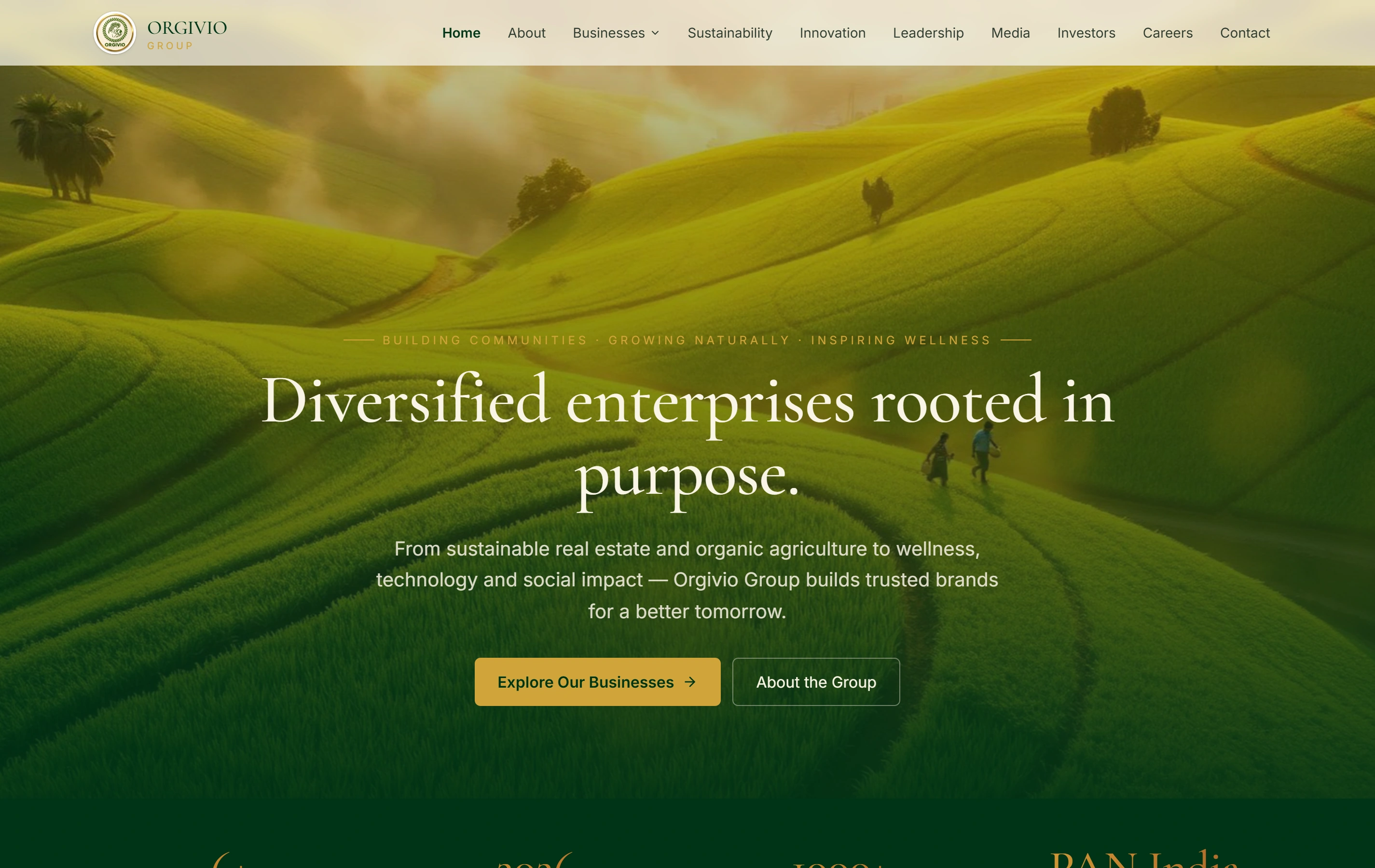
Orgivio Group is documented as a corporate website presenting its businesses, leadership and stakeholder information. It is a useful example of structured public company information. It does not establish a Kanpur client, the hypothetical permission situation or a measurable commercial result, and it is not used as proof of unpublished work.

Group presentationOne recognisable company story
Business divisionsSpecific routes from the overview
Stakeholder informationSeveral audience needs
Orgivio Group websiteOrgivio Group
Practical questions

Questions before commissioning the website.

Clarify the content, delivery and ownership before work starts.

Must we have client testimonials before commissioning a website?

No. The website still needs an accurate offer and useful business information. Genuine approved feedback can be included when available. We do not manufacture endorsements or make a sample quote appear to be a real client statement.

Can a project be described without naming its client?

That requires an approved factual basis and suitable publication permission. Removing a name does not automatically settle the matter. Where evidence is not ready, the first release can use other truthful information without implying that an illustration is completed work.

Can more work be added after launch?

The agreed CMS can support the planned evidence entries and their related links. We demonstrate the ordinary draft and preview task. A new type of content or interaction may need additional development rather than an assumed unlimited extension.

How will you estimate and deliver the website?

Share the audience, service information, existing site and available material. Our Ranchi studio agrees the scope and remote review milestones with your Kanpur contact. No local office, fixed price, ranking or enquiry result is implied.