Skip to content
Brand Identity Design for Lucknow Businesses

Create a recognisable identity. Give each launch asset a useful job.

Softglimmer offers brand identity and launch-kit design for Lucknow businesses, delivered remotely from Ranchi. We connect the approved positioning with the mark, typography, colour and materials the business will use. If a launch includes a moving identity application, the brief should also establish what people see in a still image, a paused frame or a placement where motion is unavailable.

Explore the commission
Identity assets for still and moving uses
  1. 01

    Define the identity

    Begin with the offer, audience and approved business name.

  2. 02

    Review actual applications

    Compare the selected static and optional moving uses.

  3. 03

    Deliver usable assets

    Agree formats, editing responsibilities and the handover.

An example journey, shaped around your requirements.

Buy the identity system and the selected materials together.

The complete engagement starts with a creative brief: who the business serves, what it offers, the character it wants to express and any recognition worth preserving. We develop the selected visual direction through representative uses. The work can include a mark or wordmark, typography, colour, imagery guidance and agreed website, document, presentation or social applications. The proposal names the actual outputs and refinement process. A moving brand reveal is one possible launch application, not a requirement for every identity. Where commissioned, it needs a relationship to the approved static identity and a useful ending or still representation. Agree the supplied assets, intended placements and deliverables before treating a short animation as a complete video package. Filming, voiceover, music, channel management and player implementation are additional work only when explicitly included.

Illustrative static and motion identity applications
  1. 01

    Approved static source

    The business identity remains recognisable without a moving reveal.

  2. 02

    Optional reveal and hold

    The selected movement arrives at a useful, readable composition.

  3. 03

    Poster or still output

    The receiving team has an agreed static asset for the intended placement.

A hypothetical design-application relationship. Actual exports and any video or implementation work must be specified separately.

Decide what the audience should recognise at each placement.

01

The positioning and visual system

Confirm the audience, name, offer and intended character. Review the identity with ordinary headings and business information as well as the mark. Existing assets and any naming or content approval remain explicit inputs to the creative brief.

02

The selected static applications

Name the proposal, website, presentation or profile materials the team will actually use. Agree editable and exported formats, dimensions where relevant and the relationship between the principal identity and its permitted applications.

03

An optional moving application

If a reveal or branded title is included, state its intended use, supplied assets and required outputs. Review the readable hold or end composition and any separate still. Sound should not be assumed to carry essential identity information; any sound or other production work needs its own scope.

04

The handover and implementation boundary

Identify who receives the assets and what they will assemble or publish. A supplied poster is an asset; making a particular player display it is implementation work. Record third-party font, imagery or production dependencies without implying unrestricted rights from a polished preview.

Hypothetical planning example

A reveal looks finished, but its still placement says very little.

Imagine a hypothetical business approving a short moving brand reveal. The mark becomes recognisable near the end, but the proposed still for a paused or non-playing placement comes from an early frame containing only a decorative shape. Someone reviewing that still cannot identify the company. This is an illustrative identity brief, not a Lucknow project or a delivered video claim.

The design review considers the intended uses together. The approved static mark is retained; the selected reveal reaches an intelligible hold or end composition; and an appropriate still is prepared where the commission includes one. The team inspects ordinary business wording at the actual output size rather than judging only a large animation preview.

The handover distinguishes those supplied files from publishing and playback behaviour. If another team builds the website or assembles the video, it receives the agreed source or export assets and the relevant usage instructions. If technical fallback behaviour is required, it is implemented and checked as a separate part of that project. The identity asset review alone does not establish accessibility, browser behaviour or a channel result.

Receive an identity kit with a clear production scope.

The proposal selects the creative work, applications and usable files. An optional moving asset does not replace the wider identity system.

01

Creative and application brief

Audience, offer, existing recognition, approved wording and intended uses form a shared basis for design review. Name the business approver and any unresolved naming or factual decisions.

02

Identity and supporting visual direction

The selected mark, type, colours and supporting conventions are reviewed through actual materials. Record the permitted uses and the information the receiving team must preserve.

03

Agreed launch applications

The specified document, website, social or presentation assets are prepared in the agreed formats. Optional motion, hold, endframe and still outputs appear only where the proposal includes them.

04

Files and practical guidance

An organised asset handover explains formats, intended placements, editable sources and third-party requirements. Continuing design, video assembly, printing and technical implementation have explicit boundaries.

Remote delivery from Ranchi

Bring the launch placements, not only a reference animation.

Share the approved business name, existing files and a concise explanation of the audience and offer. Include the materials that must be ready for launch and the people who will prepare later versions. If motion is being considered, show the intended placement and explain what static or still assets the receiving team needs.

Lucknow reviews can be arranged remotely with our Ranchi studio using agreed India-time sessions and consolidated feedback. We compare the creative direction with the brief, then inspect the selected applications and handover files. The estimate follows that actual scope rather than an undefined promise of every future brand material or video production service.

A real website reference for identity within business content.

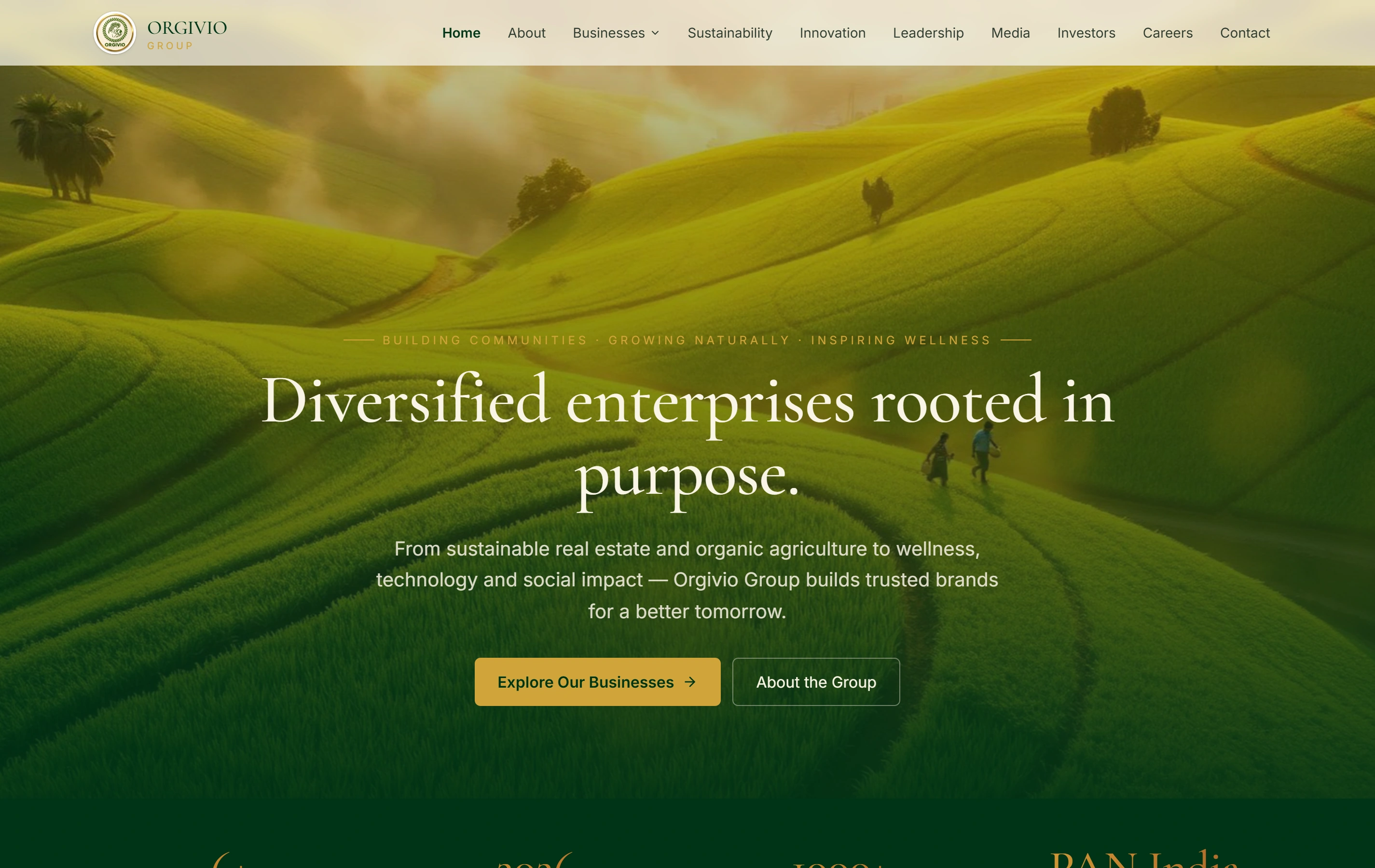
Orgivio Group is a documented Softglimmer corporate website presenting business, leadership and stakeholder information. It offers a factual website-presentation reference. The case does not establish that Softglimmer designed its brand identity, produced a moving logo or delivered the hypothetical Lucknow engagement.

Group presentationOne recognisable company story
Business divisionsSpecific routes from the overview
Stakeholder informationSeveral audience needs
Orgivio Group websiteOrgivio Group

Questions about the identity engagement.

Do we need a moving logo to commission the identity?

No. The useful applications follow the business brief. A static identity and selected launch materials can be the complete agreed project. Motion is an optional output when its purpose, supplied assets and review requirements justify it.

Does a launch kit include a complete intro video?

Only if the proposal explicitly includes that production work. Identity files, a moving title asset, video editing, audio and channel publishing are different outputs. We identify what is designed, produced or implemented and what another team will supply.

Can another team use the files on our website?

The handover should identify the agreed exports, source files, usage guidance and third-party requirements. Actual website placement, player behaviour and technical fallbacks remain implementation tasks to scope and review with the team doing that work.