
Skip to content
Website Redesign & Migration for Mumbai

Improve the website. Plan the change with care.

Softglimmer redesigns business websites for Mumbai teams, connecting clearer content, responsive visual design and practical editing with a considered migration. We inspect the current pages, useful assets and working journeys before proposing the change. Delivery is remote from our Ranchi studio, with an agreed preservation brief, review stages and launch responsibilities.

Explore the scope
The redesigned site and its transition belong in the same project.
  1. 01

    Understand the current site

    Identify useful content and difficult journeys.

  2. 02

    Redesign the experience

    Review pages with real business material.

  3. 03

    Plan the release

    Agree retained routes and the switch.

An example journey, shaped around your requirements.

Commission a better website and a reviewable transition.

A redesign may be needed because the offer is unclear, the page system is difficult to use or the team cannot maintain ordinary information comfortably. We start with those problems and the material already serving the business. A new appearance should have a purpose, and a useful existing page should not disappear simply because a different layout is available.

The work can include a current-site review, content and page planning, responsive visual design, developed templates, CMS improvements and migration. We identify which facts, photographs, URLs and functions are retained, revised or deliberately replaced. Content and images can be preserved exactly where that is the agreed requirement.

The proposal distinguishes the rebuild from additional content production, platform changes and new features. Forms, external connections and account dependencies need their own review. You should be able to evaluate the intended website and understand how the business moves to it, including who approves the final release.

Choose the work around the actual problem.

01

Improve selected journeys

A clearer service page, better navigation or a focused interface change may address the need. Review those options before commissioning a complete replacement for a site whose useful parts can remain.

02

Redesign the page system

Develop a consistent responsive presentation around approved business information. Agree the page types, content responsibilities and existing functionality to retain, with representative inner pages included in review.

03

Combine redesign with a platform change

A new CMS or technical foundation may be appropriate when the current one creates a real limitation. Content transfer, editing controls, connections and the operating handover become explicit parts of that larger scope.

Specify the rebuild and migration outputs.

The agreed brief selects the page set, technical changes and material to preserve.

01

Current-site inventory

Review routes, content, images, forms and relevant connections. Record useful existing destinations and known problems with the people who use and maintain the website.

02

Content and page plan

Clarify distinct offers and the information each page needs. Identify retained copy, approved revisions and missing material, with ownership and permissions understood.

03

Responsive visual redesign

Create a coherent system for navigation, typography, sections and media. Assess actual content on representative phone and desktop layouts before extending the design.

04

Templates and editing controls

Implement the agreed pages and CMS workflow. Include ordinary content updates, draft review and the functions the new site is expected to retain.

05

Route and search migration plan

Map retained and changed URLs, appropriate redirects, metadata and internal links. Review important downloads and shared destinations alongside the menu structure.

06

Staged launch and handover

Review the preview, preservation inventory and contact journeys. Agree the switch, recovery point, public checks and ongoing content and technical responsibilities.

Agree how approved content changes during the project.

The business may continue publishing while the new website is being prepared. Decide how those changes reach the rebuild and which version is used for final approval. A preview based on an earlier copy of the site can look finished while no longer containing the latest approved information.

The plan may include an agreed content window, a record of changes or a final reconciliation before launch. Choose the arrangement with the people who actually publish. Rehearse an ordinary CMS update in the new site as well, so the final handover covers continuing use rather than only the day of the switch.

Review the design and the transition in stages.

Use dated Asia/Kolkata invitations for Mumbai–Ranchi reviews. Nominate a business approver and a technical contact, and consolidate decisions against the reviewed version.

  1. 01

    Review and define

    Share the current site, important journeys and reasons for change. Agree what must remain and what the first release should improve.

  2. 02

    Design with approved material

    Assess representative pages and the editing approach. Resolve content questions before extending the system across the site.

  3. 03

    Build and compare

    Develop the preview and inspect retained content, routes and functions. Reconcile agreed live changes and follow the important visitor journeys.

  4. 04

    Switch and verify

    Approve the release conditions and recovery point. Check the public result and explain who maintains content, dependencies and later improvements.

An optional example: the business updates its contact information during the rebuild.

Imagine an editor correcting an approved contact detail on the live website while a redesign preview is being prepared from an earlier copy. Approving the new layout alone would not establish that the correction is included.

The project can record that live change and check it in the final preview before the switch. Agree who supplies such updates and which version is being accepted. The same process can cover other approved content without assuming the business must stop every ordinary edit for the whole project.

This is a hypothetical migration example, not a Mumbai client case or a promise that every transition can use the same approach.

Website project references.

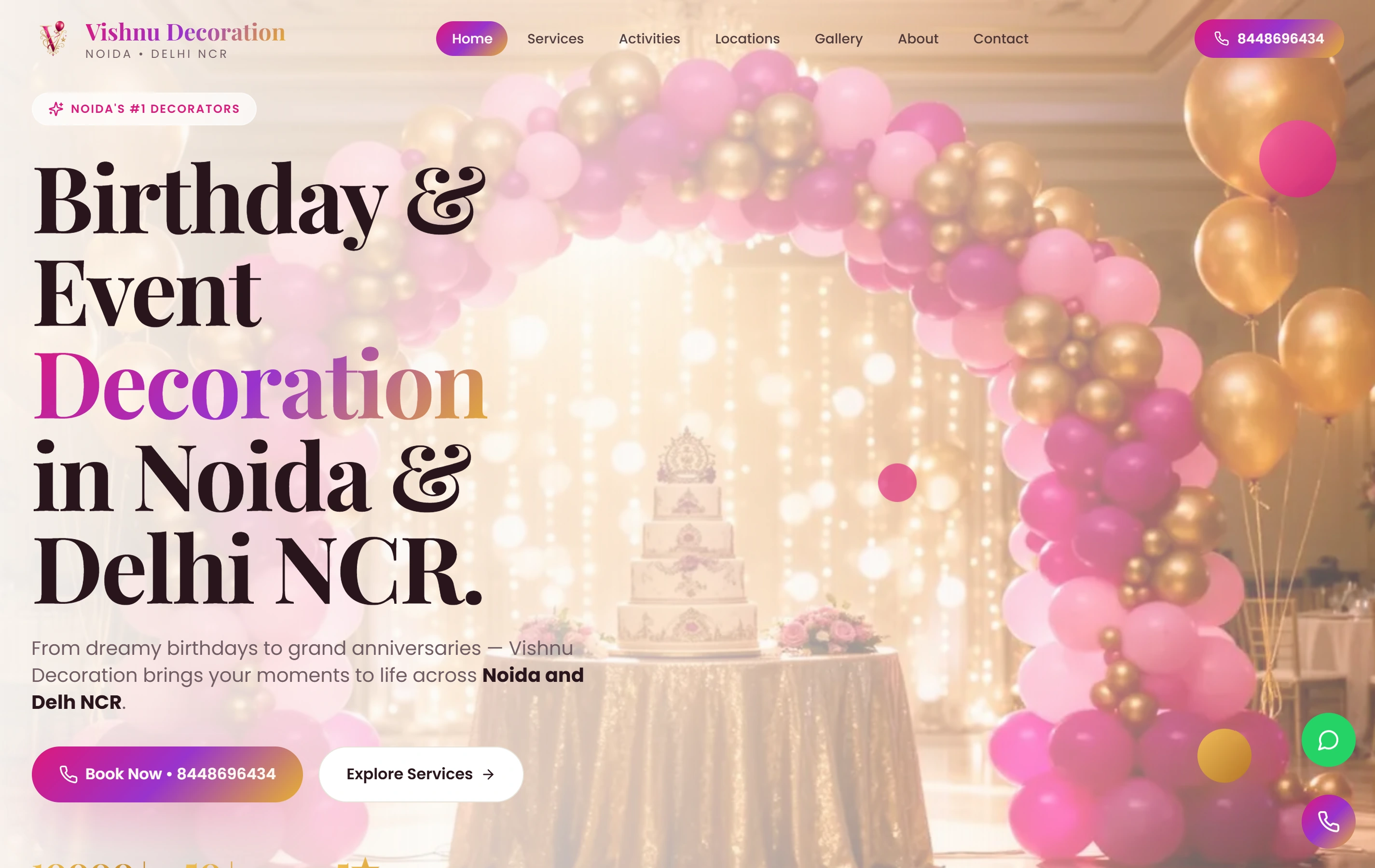
Kiran Traders presents service-led B2B information and a procurement enquiry route. Vishnu Decoration uses themed galleries and a contact journey. Explore these documented websites when discussing the information and presentation your redesigned site needs.

Questions before planning the redesign.

Where is the studio based?

Softglimmer’s studio is in Ranchi, India. We work remotely with Mumbai teams through agreed reviews and written approvals. This service-area page does not represent another office.

Can you retain our existing content and images?

Yes, where that is the agreed brief. We identify what stays exact and what needs approval to change. Useful routes and working functions are considered alongside the visible material.

Does a redesign require a different CMS?

Not always. Editing needs, functionality and technical constraints guide the decision. The proposal should explain whether the existing platform can support the intended result before adding migration work.

Will the new site keep our search traffic?

No particular traffic level or ranking is guaranteed. The scope can preserve useful content and routes, map changes and review search foundations. The public release and subsequent search behaviour need observation.