Website and ecommerce development for Mumbai businesses working with an India-based remote studio. Whether customers buy a product or request a business quote, we connect the information they need with the operation that fulfils the promise. The scope starts with the catalogue, enquiry process and tools behind the website.
A retail product and a made-to-order B2B purchase need different journeys. We decide which products can be bought directly, which need a quote and how trade customers identify themselves. Mixing both into an unclear catalogue makes it harder for customers to know the next step.
02
Catalogue quality before extra features
Product titles, variants, dimensions, stock rules and photographs shape the customer experience. We work through those details before selecting apps or custom code. A useful product page should answer the common pre-purchase questions and show when the buyer needs help.
03
Connect the people behind the store
Payment status, order fulfilment and stock changes should have clear owners. We map how information moves between the store and the existing tools, then decide which connections are worth building. A dashboard is only helpful if its numbers match the business process.
An example journey, shaped around your requirements.
A useful brief
Start with the decisions that shape the build.
These are practical project choices for this market, shaped around your business rather than a fixed package.
01
Retail checkout or trade enquiry?
A retail product and a made-to-order B2B purchase need different journeys. We decide which products can be bought directly, which need a quote and how trade customers identify themselves. Mixing both into an unclear catalogue makes it harder for customers to know the next step.
02
Catalogue quality before extra features
Product titles, variants, dimensions, stock rules and photographs shape the customer experience. We work through those details before selecting apps or custom code. A useful product page should answer the common pre-purchase questions and show when the buyer needs help.
03
Connect the people behind the store
Payment status, order fulfilment and stock changes should have clear owners. We map how information moves between the store and the existing tools, then decide which connections are worth building. A dashboard is only helpful if its numbers match the business process.
Before the build
A project plan your team can act on.
Good delivery starts with a clear offer, maintained information and agreed responsibilities.
Choose the platform around daily work
Shopify is an option for a standard online store; a custom application may be appropriate for a more specialised trade workflow. The decision should include editing needs, recurring platform and app costs, payment availability and integration limits. We compare these before the design becomes dependent on a particular tool.
Design for repeat customers as well as first visits
A returning buyer may want to reorder, find an invoice or check a delivery update. A first-time customer needs confidence in the product and seller. We distinguish those jobs in navigation and account features, keeping the initial release focused on the tasks the business can support.
Measure the complete buying path
Product views, add-to-cart activity, payment attempts and completed orders describe different stages. For a B2B site, a submitted quote request matters more than a simple contact click. We agree the events and reporting definitions so later improvements are based on a clear picture of what customers do.
Choose the service around the job.
Explore the full scope of the relevant services. We can combine them where the customer journey and your operations need to work together.
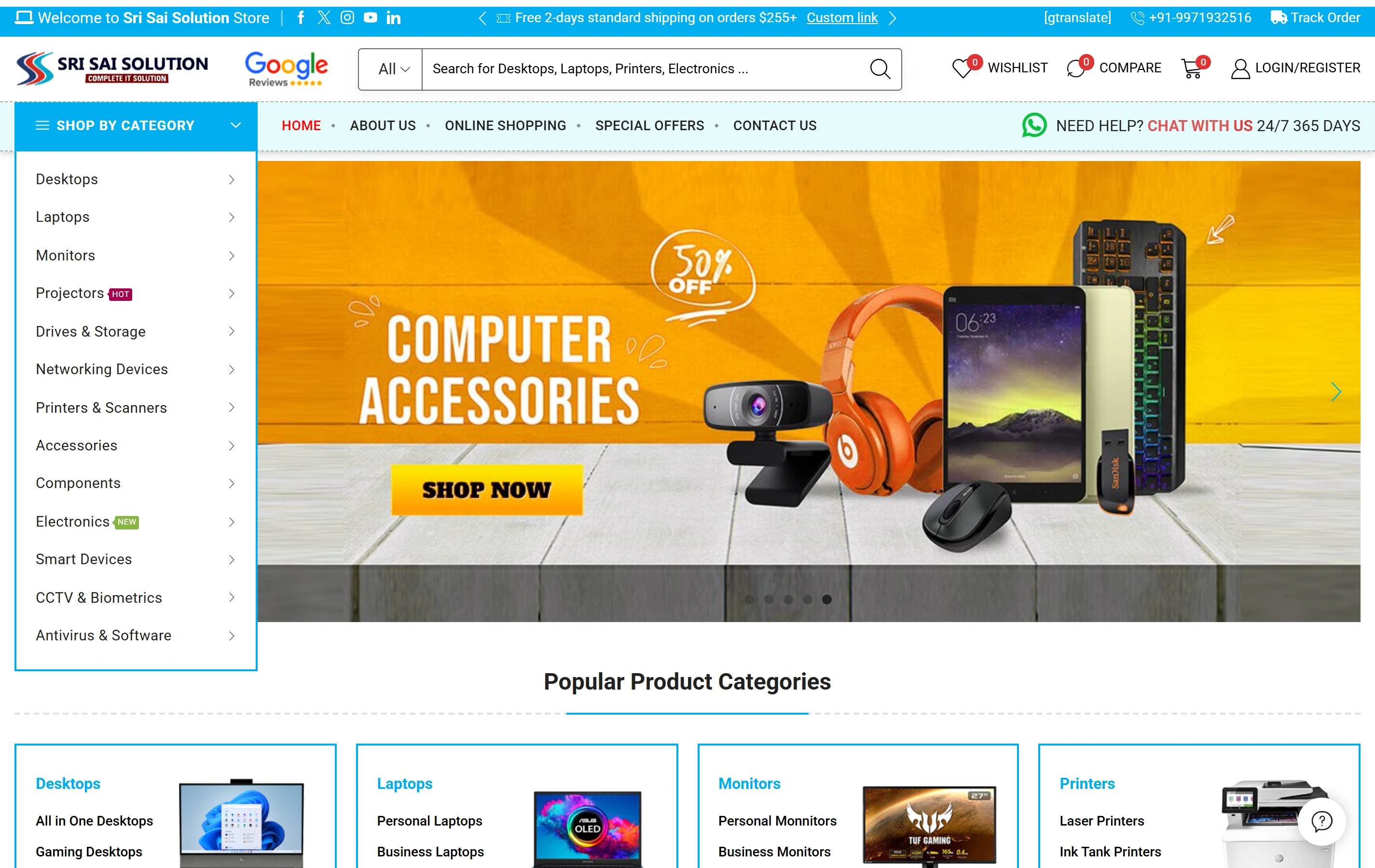
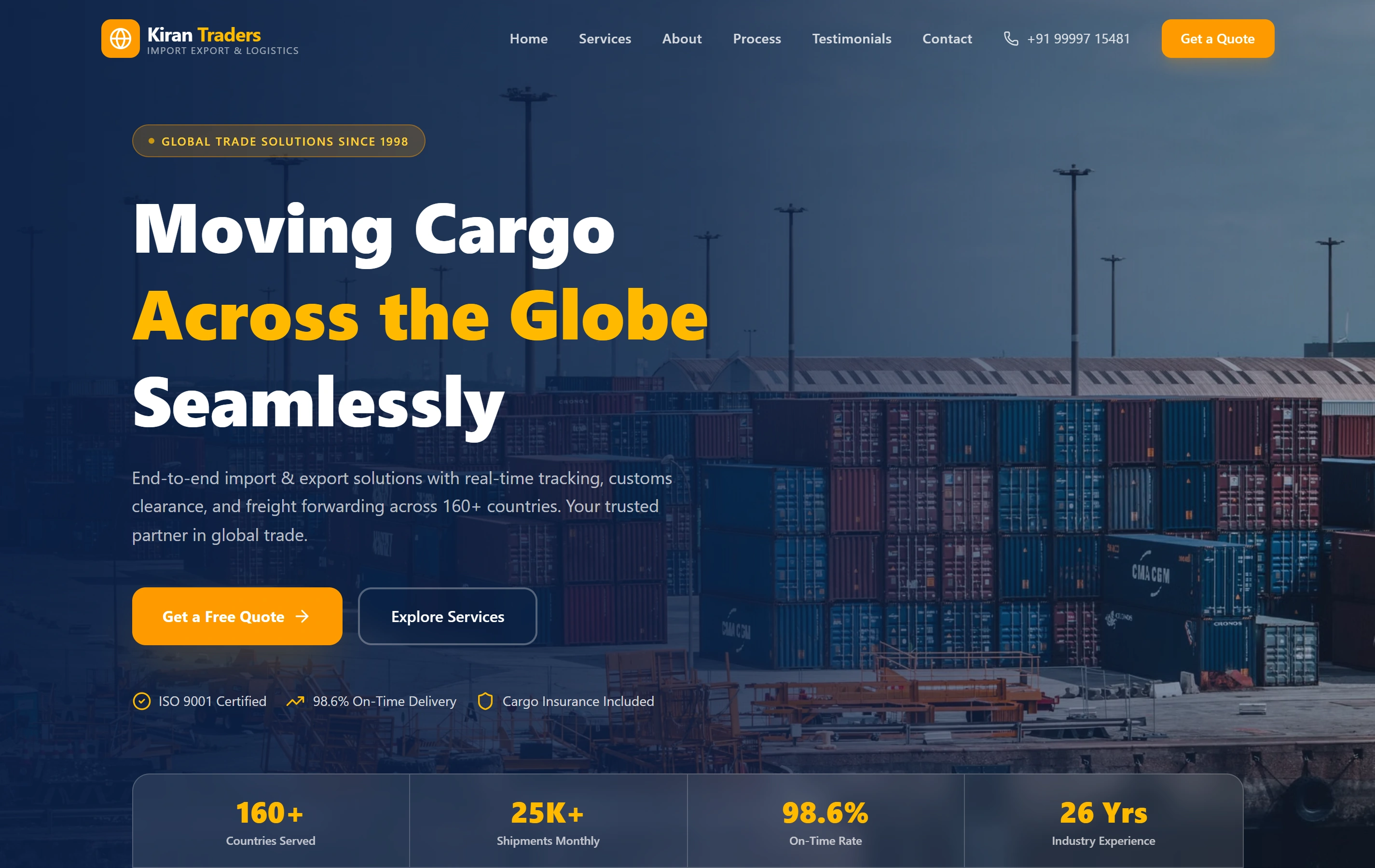
Sri Sai Solution shows an existing ecommerce-oriented website, while Kiran Traders illustrates a B2B logistics presentation. They demonstrate relevant buying journeys; they are not presented as Mumbai client references.
Useful details about scope, location and working together.
Do you have an office in Mumbai?
Our office is in Bariatu, Ranchi, Jharkhand, India 834009. We serve Mumbai remotely. This page describes a service area, not a local branch.
Can an existing product catalogue be moved to a new store?
Yes, after checking the source data, variants, images, redirects and any integrations. Historical orders, customer accounts and platform restrictions need a separate migration decision; they are not assumed to transfer automatically.
What does a project cost and how long does it take?
We quote after reviewing the page or feature scope, content readiness, integrations and migration requirements. Platform fees, paid tools and ongoing support are identified separately. A fixed price or launch date needs an agreed brief.
Do you offer services beyond the ones highlighted here?
Yes. Our wider offer includes websites, ecommerce, software, apps, automation and practical AI systems. The service directory explains each category; we select what fits your requirement rather than adding every tool to a project.
No. We can scope sound technical foundations, useful content and measurement, but indexing and ranking are controlled by search engines. We assess progress using available search and enquiry data instead of promising a particular position.
Keep the next step practical.
Choose a sector guide or prepare the project brief before commissioning the work.