
Skip to content
Digital services for Vellore

Give the business a clear presentation. Choose the work it needs next.

Softglimmer helps Vellore businesses plan and build their digital presence and working tools. A project can combine a website, brand or interface design, ecommerce, software and selected automation, with the outputs defined before production. We work remotely from our Ranchi studio, using your business information and existing assets to shape an appropriate design and development scope.

Explore the service choices
A connected design and development plan that preserves useful existing material and makes the selected website, identity and operating work clear to buy and maintain.
  1. 01

    Define the useful change

    Identify the experience or task the project should improve.

  2. 02

    Build around real material

    Review actual service information, assets and working needs.

  3. 03

    Prepare the next owner

    Supply the agreed controls, files and operating guidance.

An example journey, shaped around your requirements.

A complete digital project

Plan the business presentation and the working experience together.

A new website does not always require a new identity, and a refreshed identity does not by itself supply an editable website or a business application. We discuss what customers need to understand, how the team uses its current material and which changes have a clear purpose. That conversation can lead to a focused improvement or a wider connected project.

Our scope can cover discovery, information structure, visual and interaction design, website or application development, content preparation, agreed data migration, testing and handover. The proposal names the included outputs and the material your team supplies. It also explains what can remain useful from the current arrangement, such as approved brand assets, a working staff tool or accurate service content.

For a Vellore business, the aim is a coherent result that its people can use and maintain. A prospective customer needs a clear introduction and next action; an editor needs understandable controls; a staff user needs a dependable task. We review those needs individually and connect the selected parts through an agreed delivery plan.
Make the scope understandable

Decide what changes, what stays and how the parts meet.

The useful boundary follows the business need and the people using the result.

01

Keep recognition where it remains useful

Bring the current mark, materials and reasons for change. A clearer website or better document system may be possible while retaining approved identity assets. If a new direction is needed, agree its purpose and approver so website production can be sequenced around actual decisions.

02

Separate the public and staff experiences

A service page, an online purchase and a staff record ask people to do different things. Define their audiences, information and outcomes before combining them. The proposal can connect those experiences while keeping the content, account and operating responsibilities understandable.

03

Choose an owner for continued use

Identify who will update descriptions, add a project, use the design files or manage a staff task. Agree the tools and formats they can operate. This helps select editing controls and handover material that work for the team after the initial release.

Six concrete output groups

A working set of outputs for the selected project.

We agree the exact extent of each group, including supplied material and review stages.

01

An agreed project and creative brief

The brief records the business offer, audiences, intended tasks and reasons for change. It identifies useful existing material and the direction to develop. Reviewers can use it to assess design choices and recognise when a new request changes the agreed work.

02

A content and asset inventory

List the page copy, photographs, identity files and record samples required. Identify the approver and permitted use of supplied assets, along with content that needs preparation. Where migration is included, state the items and current source to be carried forward.

03

Designs with representative applications

Review the selected identity or interface in the places it will be used. Show real heading lengths, ordinary page content and relevant interactions. The design handoff explains reusable patterns, rather than leaving the developer or next editor to infer their purpose.

04

Developed pages, controls and functions

Implement the agreed website or application scope and its selected CMS or working controls. Include explicitly supported connections and necessary backend work. Any external account, service or licence dependency is identified with its owner before release preparation.

05

Reviewed content and acceptance results

Check the implemented layouts, navigation and tasks against the brief. Use the business-approved material and representative exceptions, recording corrections and the release decision. The review includes any scoped content import or data transfer and the receiving owner’s relevant checks.

06

Organised files and practical handover

Supply the agreed masters, exports, access information and instructions. Let the nominated owner make an ordinary update or perform a routine task. Document which changes are available through the supplied controls and how further design, development or support will be arranged.

A clearly hypothetical worked example

A hypothetical example: the website is ready before a proposed rebrand.

Imagine a business with a familiar approved logo and an outdated website. During website planning, the team also considers a new identity, but its decision maker has not chosen a direction. Useful service information and the website structure are ready to review.

The project plan could keep the existing approved identity for the first website release and make the possible rebrand a separately agreed stage. The team would confirm the assets used now, the parts that may change later and who approves each decision. If the new identity is essential to launch, the schedule can instead make that dependency explicit.

Review a representative page and the ordinary content controls under the chosen approach. State what a later identity change would include, rather than treating a second design pass as an unlimited adjustment to completed work. This is a hypothetical sequencing choice within a complete project, helping the buyer decide how an optional identity change relates to website delivery.

Prepare a useful first conversation

Bring the material people already use.

Share the current website, identity files and a few everyday documents or screens that reveal the problem. Explain which material is approved and which is still being explored. Useful evidence might include a service page the team struggles to maintain or a staff task that requires repeated re-entry; it need not begin with a detailed technology specification.

Name the people who approve business facts, design direction and operating decisions. List the existing accounts or tools involved, the changes you need for the first release and what can wait. This gives the scope discussion a practical basis and makes dependencies easier to identify. An estimate can then distinguish design, content, implementation and continuing responsibilities.

Remote delivery from Ranchi

Design, build, review and hand over the agreed work.

Reviews with your Vellore team are delivered remotely from Ranchi. We use dated Asia/Kolkata invitations, an identified approver and consolidated written decisions.

  1. 01

    Review the situation

    Discuss the offer, present material and users. Identify the useful work to retain and the changes the project should deliver, then agree inputs, deliverables and the approval route.

  2. 02

    Develop the direction

    Prepare the information structure and selected visual or interaction design. Review representative applications with actual content so the intended direction can be approved before extending it across the agreed work.

  3. 03

    Implement and assess

    Build the pages or product functions, prepare the scoped content or data and review their use. Include the person who will edit or operate the result, with corrections and accepted limitations recorded.

  4. 04

    Release and transfer ownership

    Coordinate the agreed launch, demonstrate routine use and provide the supplied files and notes. Explain the continuing account responsibilities and the arrangements for maintenance, support and later project additions.

A documented website reference.

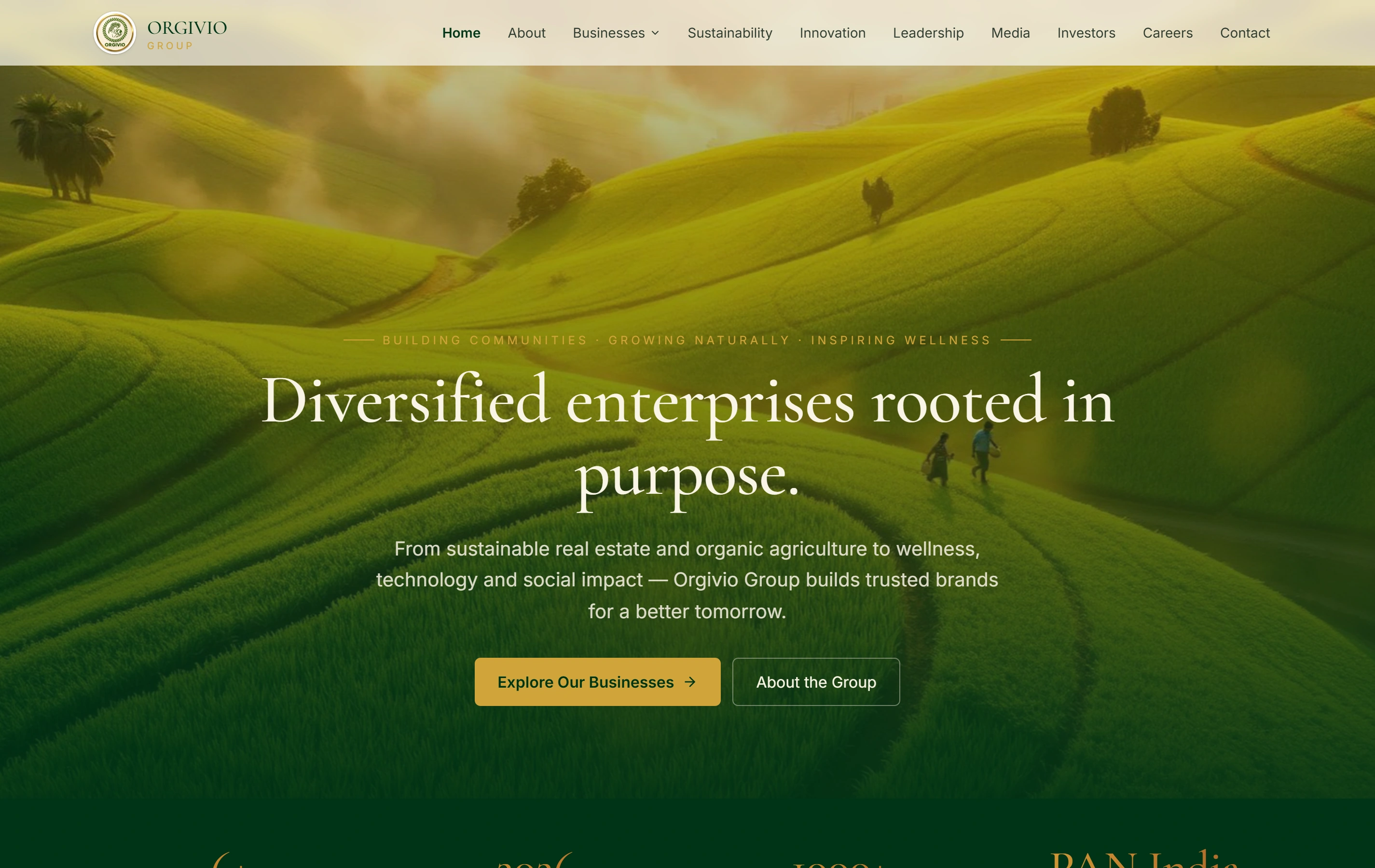
Orgivio Group is a documented corporate website presenting its businesses, leadership, sustainability and stakeholder information. Its public website offers a useful reference for organising several audience needs within one recognisable company presentation. Review the project as website work when discussing the information and visual structure your own business needs.

Group presentationOne recognisable company story
Business divisionsSpecific routes from the overview
Stakeholder informationSeveral audience needs
Orgivio Group websiteOrgivio Group

Questions about a Vellore digital project.

The written scope sets the deliverables, responsibilities and review arrangement.

Can we retain our current logo and still improve the website?

Yes. We can assess the supplied assets and the reason for change, then scope a website using the approved identity where appropriate. A new mark or wider identity system is a separate design choice. The proposal explains what is retained, what is developed and how any later identity work relates to the initial release.

Does one project include every service listed here?

The service choices help us select the work your business needs. The written proposal identifies the included designs, content, development, connections and handover. A website, a mobile product and an internal system have different outputs; they can be combined when useful without assuming that all must be purchased together.

What makes a remote handover useful?

The intended owner should be able to find the supplied material and perform an agreed ordinary task. We arrange that demonstration with the relevant person, explain the controls and identify account or file dependencies. Ongoing design production, maintenance and technical support are recorded in the selected arrangement rather than left as an undefined promise.